Pest Control for Residential Home: A Complete Guide to Keeping Your Home Pest Free

A home should be a safe and comfortable place for every family, but unwanted pests can quickly disrupt that sense of security. Insects and rodents can damage property, contaminate food, spread bacteria, and create ongoing stress if infestations are not addressed promptly. While many homeowners try to solve pest problems with store-bought products, lasting results usually require a combination of prevention, monitoring, and targeted treatment. Understanding how pest control for residential home works allows homeowners to protect their property before small pest problems become costly infestations. A proactive approach helps create a healthier and more enjoyable living environment throughout the year. Go to https://www.benspest.biz/ for more information.

Why Is Pest Control Important for Residential Homes?

pest control

Pest control is important because homes provide many of the resources that insects and rodents need to survive. Food, water, warmth, and shelter are often readily available inside residential properties, making them attractive to pests throughout the year. Once pests establish themselves inside walls, attics, crawl spaces, or kitchens, they can reproduce rapidly and become increasingly difficult to eliminate. Early prevention reduces the risk of widespread infestations. Protecting the home begins with understanding why pests are attracted to it.

Beyond the inconvenience, pests can create significant property damage over time. Rodents may chew electrical wiring, insulation, and wood framing, while termites can weaken structural timber without immediately being noticed. Cockroaches, ants, and other insects may contaminate food preparation areas, while certain pests leave droppings and nesting materials that reduce indoor sanitation. Routine pest control helps minimize these risks before they become expensive repairs. Preventive care protects both the home and the people living inside it.

What Pests Are Common in Residential Homes?

Residential homes can attract a wide variety of pests depending on the climate, surrounding environment, and season. Ants, cockroaches, spiders, silverfish, mosquitoes, rodents, termites, fleas, and wasps are among the most common household pests. Each species behaves differently and requires a specific treatment strategy for effective control. Identifying the pest correctly is one of the most important steps in choosing the right solution. Accurate identification leads to more successful treatment.

Seasonal changes also influence which pests become active throughout the year. During warmer months, ants, mosquitoes, flies, and stinging insects often become more noticeable outdoors and around entry points. As temperatures begin to cool, rodents and certain insects may seek shelter inside homes where food and warmth are available. Regular inspections help homeowners stay ahead of these seasonal changes. Understanding pest behavior improves long-term prevention.

How Does Professional Residential Pest Control Work?

Professional pest control begins with a detailed inspection of the property to identify pest activity, nesting areas, entry points, and conditions that encourage infestations. Technicians examine both the interior and exterior of the home, paying close attention to kitchens, bathrooms, attics, garages, crawl spaces, foundations, and landscaping. This inspection provides valuable information about the type of pest and the extent of the problem. Accurate evaluation allows a customized treatment plan to be developed. Every home requires an individual approach.

Once the inspection is complete, treatment methods are selected according to the pest species and the property’s specific needs. Depending on the situation, treatments may include targeted applications, bait stations, traps, exclusion work, or preventative barriers around the home’s exterior. Professional pest control focuses not only on eliminating existing pests but also on reducing the conditions that allow future infestations to develop. Long-term prevention is a key part of successful pest management. Comprehensive service provides lasting protection.

How Can Homeowners Help Prevent Pest Problems?

Homeowners play an important role in reducing pest activity by maintaining a clean and well-maintained property. Food should be stored in sealed containers, spills cleaned promptly, garbage disposed of regularly, and standing water eliminated whenever possible. Moisture from leaking pipes or faucets should also be repaired because many pests depend on reliable water sources. Good housekeeping removes many of the resources that attract insects and rodents. Everyday habits support effective pest prevention.

Exterior maintenance is equally valuable in keeping pests away from the home. Trimming shrubs away from walls, keeping gutters clean, removing yard debris, and storing firewood away from the foundation all reduce potential nesting areas. Cracks around windows, doors, utility lines, and foundations should also be sealed to prevent pests from entering the structure. Simple maintenance significantly reduces opportunities for infestation. Prevention starts outside the home as well as inside.

How Often Should Residential Pest Control Be Scheduled?

The ideal pest control schedule depends on several factors, including the property’s location, history of pest activity, surrounding environment, and climate. Many homeowners benefit from quarterly pest control visits because regular inspections help identify developing problems before infestations become severe. Seasonal treatments also allow technicians to adjust preventative measures as pest activity changes throughout the year. Routine service provides consistent protection. Regular maintenance often prevents larger problems later.

Homes located near wooded areas, farmland, lakes, or dense landscaping may require more frequent inspections because these environments naturally support larger pest populations. Properties with previous infestations may also benefit from ongoing monitoring until activity has been fully controlled. A professional inspection helps determine the most appropriate maintenance schedule for each home. Customized service plans provide better long-term results. Every property has unique pest management needs.

What Are the Benefits of Professional Pest Control?

Professional pest control offers several advantages beyond simply removing visible pests. Experienced technicians understand pest behavior, breeding habits, and seasonal activity patterns that influence treatment success. Their inspections identify hidden infestations and structural conditions that homeowners may not notice during routine cleaning. Addressing these issues early reduces the likelihood of recurring pest problems. Professional knowledge improves treatment accuracy.

Another important benefit is long-term property protection. Regular pest control helps reduce the risk of structural damage caused by termites, rodents, and other destructive pests while maintaining a cleaner indoor environment. Preventative treatments also reduce emergency service calls by addressing pest activity before infestations become severe. Investing in routine pest management often saves both time and money over the long term. Consistent protection provides greater peace of mind.

How Can Homeowners Choose the Right Pest Control Service?

Choosing the right pest control service begins with understanding the property’s specific pest concerns. Homeowners should look for providers that perform thorough inspections, explain their treatment recommendations clearly, and focus on long-term prevention instead of only temporary solutions. A detailed service plan should identify the pest involved, the proposed treatment methods, and any follow-up visits that may be recommended. Clear communication helps homeowners understand what to expect throughout the process. An informed decision leads to better results.

It is also helpful to compare several service providers before making a final decision. Asking about inspection procedures, treatment schedules, preventative programs, warranties, and maintenance recommendations allows homeowners to evaluate overall value rather than focusing only on price. Reliable pest control combines effective treatment with practical guidance that helps prevent future infestations. A comprehensive approach supports long-lasting protection. Choosing quality service is an investment in the home’s future.

Final Thoughts

Pest control for residential home involves much more than eliminating insects or rodents after they appear. Effective pest management combines regular inspections, preventative maintenance, targeted treatments, and good household practices to protect the property throughout the year. By understanding common household pests, addressing conditions that attract them, and scheduling routine professional inspections, homeowners can reduce the risk of infestations before they become serious. A proactive approach not only protects the home’s structure but also creates a cleaner, healthier, and more comfortable living environment for the entire family.
Basement Remodels That Add Value to Your Home

When homeowners think about increasing the value of their property, they often focus on kitchens, bathrooms, and curb appeal improvements. However, one of the most overlooked opportunities for adding both functionality and resale value is the basement. A well-planned basement remodel can transform an underutilized area into a highly desirable living space while significantly enhancing the overall appeal of a home. Whether the goal is to create additional living quarters, improve organization, generate rental potential, or simply maximize usable square footage, J&R Construction basement remodeling projects can provide substantial returns when designed with practicality and long-term value in mind.

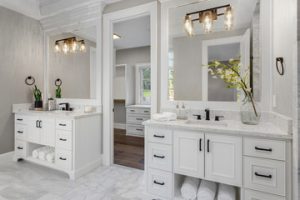
bathroom remodel

Many basements begin as unfinished storage areas filled with seasonal items, unused furniture, and household equipment. While these spaces serve a purpose, they often represent untapped potential. Modern homeowners are increasingly looking for ways to make every square foot of their property work harder. A finished basement can provide the extra room needed to accommodate changing lifestyles, growing families, remote work arrangements, entertainment needs, and recreational activities. By converting an unfinished basement into a functional extension of the home, property owners can create spaces that improve daily living while making the property more attractive to future buyers.

One of the primary reasons basement remodeling projects add value is that they effectively increase usable living space without requiring a costly home addition. Expanding outward or upward often involves extensive structural work, permits, and significant construction expenses. In contrast, a basement remodel utilizes existing square footage, making it a more cost-effective solution for homeowners seeking additional room. Buyers frequently view finished basements as a major advantage because they offer flexibility and functionality that can adapt to a variety of needs over time.

A popular basement remodeling option is creating a family recreation area. Modern households often desire dedicated spaces where family members can relax, entertain guests, watch movies, play games, or spend quality time together. A thoughtfully designed recreation room can serve as a secondary living area that reduces congestion in the main portions of the home. Comfortable seating, proper lighting, attractive flooring, and integrated storage solutions can transform an otherwise unused basement into one of the most frequently utilized spaces in the house. Because buyers often seek homes with multiple gathering areas, this type of remodel can contribute positively to overall property value.

Home offices have become another highly desirable feature in residential properties. As remote and hybrid work arrangements continue to influence modern lifestyles, many homeowners are seeking quiet, dedicated workspaces that support productivity. A basement office can provide privacy and separation from the distractions commonly found in the main living areas of the home. By incorporating proper lighting, sound insulation, adequate ventilation, and sufficient electrical infrastructure, a basement office can become a functional and professional workspace. The growing demand for work-from-home accommodations has made this type of remodel particularly attractive from a value-enhancement perspective.

Guest accommodations are also among the most effective basement remodeling projects for increasing home appeal. Many families frequently host relatives, friends, or extended visitors and appreciate having a separate space that offers comfort and privacy. A basement guest suite can provide sleeping areas, storage, and even private amenities that make overnight stays more enjoyable. Potential buyers often recognize the convenience and flexibility such spaces offer, especially in households that entertain guests regularly or anticipate future multigenerational living arrangements.

Some of the most valuable basement remodeling ideas include:

  1. Creating a spacious family entertainment room.
  2. Designing a dedicated home office for remote work.
  3. Building a guest suite with added privacy.
  4. Developing a fitness or wellness area.
  5. Adding a multipurpose recreation room for hobbies and activities.
  6. Incorporating smart storage solutions throughout the space.

A home gym is another basement remodel that continues to gain popularity. Fitness and wellness have become increasingly important priorities for many homeowners, making dedicated exercise spaces highly desirable. Basements often provide the square footage needed to accommodate workout equipment, yoga areas, stretching zones, and wellness activities without disrupting other parts of the home. Proper flooring, ventilation, and lighting can help create an inviting environment that encourages regular use. In addition to supporting healthier lifestyles, home gyms can add a unique feature that appeals to prospective buyers.

Storage remains one of the most practical considerations in any home, and basement remodels offer excellent opportunities to improve organization. While converting the entire basement into a finished living space may seem appealing, preserving designated storage areas can significantly enhance functionality. Built-in shelving, custom cabinets, concealed storage compartments, and organized utility spaces can help homeowners reduce clutter throughout the rest of the house. Buyers often appreciate homes that balance livable areas with efficient storage solutions, making this a worthwhile aspect of any remodeling project.

Proper basement finishing techniques play a crucial role in maximizing value. Because basements exist below ground level, they are more susceptible to moisture-related challenges than other areas of the home. Before any cosmetic improvements begin, it is essential to address waterproofing, drainage, insulation, and ventilation concerns. A beautiful basement loses much of its value if water intrusion, mold growth, or humidity problems emerge later. Investing in moisture control measures helps protect the remodel while ensuring long-term comfort and durability.

Lighting is another important factor that influences the success of a basement renovation. Many basements have limited natural light, which can make spaces feel dark or confined if not properly addressed. Modern remodeling strategies often focus on maximizing brightness through layered lighting designs. Recessed lighting, wall-mounted fixtures, task lighting, and strategically placed reflective surfaces can help create a more open and welcoming atmosphere. Bright, inviting spaces tend to feel larger and more comfortable, increasing both usability and perceived value.

Flooring selection also has a major impact on basement functionality and appearance. Unlike above-ground rooms, basements require flooring materials that can withstand varying levels of humidity and temperature changes. Durable, moisture-resistant flooring options often provide the best long-term performance. In addition to practical considerations, flooring contributes significantly to the overall aesthetic of the space. Choosing materials that complement the home’s existing design helps create a cohesive appearance that feels like a natural extension of the main living areas.

Open-concept basement designs have become increasingly popular because they offer versatility and adaptability. Rather than dividing the space into numerous small rooms, many homeowners prefer layouts that support multiple activities within a single area. Open designs can accommodate entertainment zones, workspaces, exercise areas, and social gathering spaces while maintaining a spacious feel. Flexibility is a major selling point for prospective buyers because it allows them to customize the space according to their own preferences and lifestyle needs.

For homeowners seeking maximum return on investment, it is important to focus on features that have broad appeal. Highly specialized rooms may suit specific interests but could limit buyer interest in the future. Versatile spaces that can serve multiple purposes tend to attract a wider audience and contribute more consistently to resale value. A basement designed for flexibility can evolve alongside changing household needs while remaining attractive to future buyers.

Several remodeling strategies can help maximize the value of a finished basement:

  1. Prioritize moisture control and waterproofing before cosmetic improvements.
  2. Use durable materials designed for below-grade environments.
  3. Incorporate sufficient lighting to create an open and welcoming atmosphere.
  4. Maintain functional storage solutions alongside living spaces.
  5. Design flexible layouts that can accommodate changing needs.
  6. Ensure adequate heating, cooling, and ventilation for year-round comfort.

Energy efficiency is another consideration that can increase the long-term value of a basement remodel. Proper insulation, energy-efficient lighting, and effective climate control systems help reduce utility costs while improving comfort. Buyers increasingly recognize the benefits of energy-conscious features and may view them as important advantages when comparing properties. An energy-efficient basement contributes to overall household performance and supports sustainable living practices.

Modern technology integration can also enhance basement functionality. Smart lighting controls, climate management systems, entertainment technology, and security features can create a more convenient and appealing environment. While technology should not dominate the design, thoughtful integration can improve usability and provide a contemporary touch that resonates with modern homeowners.

A finished basement can also support changing family dynamics over time. What begins as a playroom for children may later become a study area, entertainment room, fitness space, or guest suite. This adaptability adds lasting value because the space remains useful throughout different stages of life. Buyers often appreciate homes that can evolve alongside their needs without requiring major future renovations.

From a financial perspective, basement remodels often compare favorably to other home improvement projects. While returns vary depending on design quality, market conditions, and overall property characteristics, a well-executed basement renovation typically enhances both livability and marketability. The added square footage, increased functionality, and improved appearance can make a home stand out in competitive real estate environments.

In addition to increasing resale potential, basement remodels deliver immediate lifestyle benefits. Families gain additional space to relax, work, exercise, entertain, and pursue hobbies without overcrowding the main living areas. This improved functionality can significantly enhance daily comfort and enjoyment. Unlike some renovations that primarily benefit future buyers, basement improvements provide value from the moment the project is completed.

Ultimately, basement remodels represent one of the most effective ways to unlock hidden potential within a home. By transforming underutilized space into functional, attractive living areas, homeowners can improve both quality of life and property value. Whether creating a family room, home office, guest suite, fitness area, or multipurpose retreat, thoughtful basement renovations offer lasting benefits that appeal to current occupants and future buyers alike. With proper planning, quality materials, moisture protection, and flexible design, a basement remodel can become a valuable investment that continues to deliver returns for years to come.