How to Know If You Need AC Repair Or Replacement

AIR CONDITIONING REPLACEMENT LOVELAND OH

When AC issues arise, it’s important to act quickly. DIY repair kits and online videos make AC repairs look easy, but any major fixes should only be performed by trained professionals.

A sudden lack of cooling could mean a thermostat or circuit breaker issue. Loud or strange sounds signal fan problems. Sharp burning smells indicate wiring or overheating issues. Contact AIR CONDITIONING REPLACEMENT LOVELAND OH for more information.

1. Your AC isn’t cooling as well as it used to

A well-performing AC should deliver icy cold air throughout the entire home, not just in one room or area. If your system isn’t providing consistent cool air, it may be time to call in a professional to diagnose and fix the problem.

It could be a simple problem like a dirty air filter, clogged coils or refrigerant leak. You can often take care of these problems on your own if you follow some basic troubleshooting steps.

Changing your air filter regularly and keeping the outdoor unit clear of debris are important maintenance tasks that can greatly improve your cooling efficiency. Similarly, getting your system inspected and cleaned by a pro can reduce energy bills and extend the life of your AC.

If you’ve done all of the above, it could be a sign that your system is simply outdated and requires an upgrade. A new high-efficiency AC can significantly lower your cooling bills and help you get the most out of your investment.

A common reason for a cooling problem is that the system is undersized for your home. An HVAC professional can accurately measure your home and its optimum cooling capacity to determine the best size unit for your needs.

The evaporator and condenser coils in your air conditioner play an essential role in cooling by transferring heat from the air in your home to the refrigerant. If these coils are covered in dirt and grime, or if they’re damaged by corrosion or physical damage, they can’t do their job. In addition, a clogged or frozen coil can prevent the transfer of heat, which can cause your system to shut down or not turn on at all.

Depending on the severity of the issue, it may be possible to repair these coils or a related component such as the compressor. However, in many cases a refrigerant recharge is needed, and this can be a costly process. This is why it’s always a good idea to have a licensed professional perform a refrigerant inspection and recharge as part of your annual maintenance visit.

3. Your AC isn’t removing moisture like it should

The AC’s job isn’t just to cool, it’s to dehumidify as well. Moisture in the air condenses into water when it passes over the cold evaporator coil inside the AC unit, draining away through ductwork or in the home’s plumbing system. If the air feels sticky despite the AC running, something is interfering with this process.

High indoor humidity is a common problem that results from a number of different issues. These include clogged filters, dirty components, and refrigerant leaks. If you notice moisture or a musty smell in your home, it’s likely time to call an HVAC professional for a checkup.

Dirty evaporator coils prevent the AC from properly removing humidity. These coils are prone to mold and algae, which can reduce the efficiency of the cooling process. Regular cleaning with a chemical cleaner that’s safe for aluminum fins can help keep the coils clean and smelling fresh.

A faulty thermostat or an oversized AC unit can also cause the system to short-cycle, turning on and off too frequently without completing a cooling cycle. This can interfere with dehumidification, resulting in an uncomfortable indoor environment and increased energy bills.

Refrigerant leaks can also make it difficult for the AC to remove humidity from the air, causing the unit to work harder to cool the home. Look for oily spots around the outdoor unit or a faint chemical or sweet smell near the unit to spot signs of low refrigerant.

To increase your AC’s ability to dehumidify, set the thermostat to a higher setting and use the fan switch to AUTO instead of ON. This will ensure the fan runs only during cooling cycles, giving it enough time to remove moisture from the air before the next cycle begins. Check the ductwork for leaks, which can pull humid air from attics or basements into living spaces, raising humidity levels. Professional duct sealing can improve a home’s energy efficiency and dehumidification capabilities, as well as lowering cooling costs.

4. Your AC is older

When it comes to deciding if you need AC repair or replacement, your system’s age is an important factor. The average air conditioning unit has a lifespan of about 15 to 20 years. But in the sweltering Alabama climate, your AC may not last as long as you would hope.

Over time, even well-maintained units start to degrade in efficiency. This can lead to higher energy bills, especially if your system is having to work harder than usual to keep your home cool. This is usually a sign that your AC is reaching the end of its life and needs to be replaced with a new, more efficient model.

You can check your AC’s age by looking at the serial number on the unit. This should be written on the unit itself, or it can also be found in the paperwork that came with it at the time of purchase. The first 4 numbers are the manufacturing date, and the next 4 are the year. For example, if your unit’s serial number reads W301114213, the manufacturing date was the 30th week of 2011.

Another factor that can indicate you need to replace your AC is if it uses a refrigerant that’s nearing the end of its lifespan. Older units often use R-22 Freon, which is being phased out because of its ozone-depleting effects. In this case, it’s generally more cost-effective to replace your unit with a newer, more environmentally friendly one than to pay for expensive repairs to an older one.

The aging process is inevitable, but there are some things you can do to slow it down, like regular maintenance and keeping weeds and critters away from the outdoor unit. It’s also helpful to clean the condensate pan and change the filter regularly. Performing these simple maintenance tasks will help prolong the life of your AC unit, but it’s essential to understand when the time is right for a new, more efficient model.

If you’re experiencing any of these signs, it’s important to consult an AC technician about your options for repair or replacement. Your AC is an important investment, and you want to make sure you get the best possible performance from it for as long as you own your home.

Visit our Professional Services Blogs

Chris Atkins Lawncare, Atticus Landscaping, Treasure Coast Pressure Wash, Gulf Beach Plumbing, Marlborough Plumbing, Guns And Hoses Pressure Washing, Ambrose Construction, Coral Gables Pressure Washing, Willco Photography, Roofing Akron, Danalogsdon Roofing El Cajon, EC Siding Roofing Windows, Aurora Gutter, American Insurance Source, ECO, etdn, Denison Service League,  Roofing Blog, Atlantic Vinyl Windows, Brookshires Fireplaces, JD Advanced Remodeling, Product Judgment, Master Dry Foundation Repair, Moe’s Hip, Elta Patio Paramount, Rock Around The Clock Festival, Learn, Play, Beyond, MoralesT Gardening, Car Window Tinting Perth, Duncan Carpentry, Gatestone Lighting, Mid Missouri Mold Inspections, Stucco Repair Albuquerque, Wausau Siding Hire, Munster Tree Care, Blue Granite Homes, Custom House, CENTRAL OS, Atlanta Pavers, Phillips Law Firm, Brent Ryder MasonryWalker Construction Drywall Division, RJ Law, Caledon Plumbing, DDS Tech USA, Maine Mortgage Services, Inckpen, Seasons at Rose Creek, Cottonwood Place Dental, Cosmetic Laser 2000 

Cabinet Refinishing – A Cost-Effective Alternative to Replacing Your Cabinets

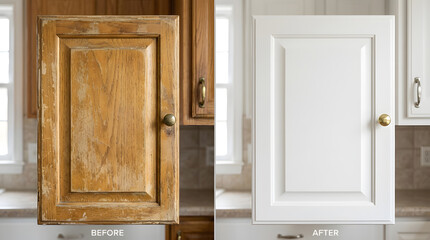
Cabinet Refinishing Modesto is a cheaper alternative to refacing or replacement that offers a wide range of design options. It allows you to achieve a clean, modern look or give your kitchen a rustic and traditional feel.

Cabinet Refinishing

Refinishing is also a less invasive option that reduces your remodeling timeline. This can save you weeks and months of construction time, noise, and dust.

Cabinet refinishing is a great option for homeowners who want to update the look of their kitchen without the cost and inconvenience of an extensive remodeling project. The process involves cleaning the cabinets and removing the hardware, then applying a new finish to achieve your desired aesthetic. Cabinet refinishing can be done on most types of wood, including oak, cherry, maple, and walnut. The key to a successful cabinet refinish is proper preparation, which includes cleaning the cabinets and sanding the surfaces to ensure that the new finish adheres properly.

To start, remove all of the decorative hardware from the cabinets and place it in a safe location to prevent it from getting lost or damaged during the process. Next, carefully take off the cabinet doors so that you have access to the frames and any areas that need to be painted. Then, using a degreaser and kitchen grime remover, clean the cabinet surfaces to eliminate grease buildup and create a clean canvas for painting.

The next step is to lightly sand the cabinet surfaces, which will help to create a smooth surface that will allow the paint or stain to adhere evenly. After sanding, the cabinets should be completely cleaned and wiped down with a damp cloth to remove any residue left over from the sanding process. It is important to use a high-quality primer that will protect the cabinets from moisture and mildew and help them to resist chipping and peeling. Finally, after the primer has dried, you can begin the painting process.

When it comes to choosing a color or design for your cabinets, the options are nearly endless. From a sleek, modern appearance to a rustic, traditional feel that replicates a wooden appearance, there is a style that will work for any home. If you are having trouble deciding, the professionals at N-Hance can assist you with achieving a beautiful, custom look.

There are many benefits to choosing cabinet refinishing over other remodeling methods, such as refacing or replacement. Refinishing is more affordable, quicker, and environmentally friendly, as it reduces waste and avoids adding materials to landfills. However, it is important to choose a trusted professional for your refinishing project to ensure that the job is completed correctly and lasts for years to come.

Cleaning

Cabinet refinishing is a cost-effective alternative to replacing your cabinets and offers the same beautiful results with less disruption. Unlike complete replacement, this process does not require any demolition and can take place within your home. Surfaces like countertops and floors are protected to minimize mess and your appliances and cabinets are fully functional throughout the process.

We begin by thoroughly cleaning the cabinet and drawer surfaces, removing dirt, grime and any previous finish that may have worn away over time. Surfaces are then lightly sanded with medium-grit sandpaper to remove rough spots, minor wood defects and prepare them for new finishes. Once the cabinet surfaces are cleaned and sanded, they are prepared for painting or staining. We also update the cabinet hardware, including knobs, handles and hinges, upon request.

Always use gentle cleaners and avoid harsh chemicals that can strip the finish and cause damage to your cabinets. Vinegar is particularly effective on stubborn stains, but be sure to mix it with water in a spray bottle and use a soft cloth or sponge instead of scouring pads.

Inspection

Cabinet refinishing is a great option for homeowners looking to revitalize their spaces without the expense of a full renovation. This process involves sanding down the existing finish and replacing it with a fresh coat of paint or stain. This can be a time-consuming and difficult project, especially for those who are not experienced with sanding and painting. Getting the job done right requires patience and attention to detail. Those who are unsure of whether or not they can handle the task themselves should seek out the services of a professional.

A cabinet refinishing company will perform a thorough inspection of the existing cabinets before beginning the work. They will ensure that the new coating is adhered to the surface and that it is protected from moisture. They will also inspect the interior components of the cabinets for damage. It is important to note that refinishing may not be a suitable option for all materials used in cabinetry. Laminate and thermofoil are not compatible with refinishing because they cannot be sanded or chemically stripped.

If you are refinishing your cabinets with a color other than their original finish, it is important to test the paint in an inconspicuous area before applying it to the whole cabinet. A quick test will let you know if the new coat of paint is oil-based or water-based (latex). Oil-based paints are not compatible with latex, and vice versa. A quick and easy way to test for the type of finish is to rub a cotton ball or rag with denatured alcohol over the surface. If the old paint removes easily, it is likely oil-based, and if the surface feels soft or sticky to the touch, it is most likely latex.

The final step of the refinishing process is to apply a clear protective coat to the cabinets and to make any minor repairs that are necessary. Then, the doors and drawers can be reinstalled with their hinges and hardware. It is a good idea to label each door and drawer with the cabinet number before removing it so that they can be returned in the correct order.

Maintenance

Cabinet refinishing breathes new life into your existing cabinets, making them look fresh and modern. However, this process requires careful attention to the details to ensure a professional finish that looks beautiful and lasts for years. Professionals prepare the surface of your cabinets by thoroughly cleaning and sanding to create a smooth base for the new stain or paint. They also repair minor scratches and dents to enhance the aesthetics of your kitchen.

Refinishing your cabinets is an eco-friendly option that reduces waste and avoids the need to manufacture new materials. It’s also significantly less expensive than refacing or replacing your cabinets. The timeframe for this project varies, depending on the size of your kitchen and number of cabinets. However, refinishing is typically completed in just a few days to a few weeks. This is a much shorter timeline than a complete replacement, which can take weeks or months and requires your kitchen to be out of commission during the majority of that time.

Aside from the ecological and environmental benefits of cabinet refinishing, it’s a cost-effective way to revamp the aesthetics of your kitchen. It can be used to introduce a bold color or to match current trends without the expense and hassle of an entire kitchen makeover. It’s also a great way to increase the value of your home, as potential buyers often favor modern-looking cabinetry when looking at properties.

During cabinet refinishing, professionals can also add a layer of protective coating to your cabinets to help protect them from damage. This is especially important in areas that receive excessive sunlight. The UV rays from direct sunlight can cause the surface of your cabinets to crack, fade, or discolor over time. However, this layer of protection helps prevent damage and maintains the look and function of your cabinets.

Keep in mind, cabinet refinishing doesn’t allow for significant structural changes to your cabinets, and it won’t fix major damages or defects. If you’re looking to make substantial changes, a full renovation with refacing or replacement is a better option.

Visit our Professional Services Blogs

Smart Choice Plumbing And Air, Sanitize My Airducts, Bethesda Locksmith, Golden Coast Cleaners, Advanced Concrete Staining, Home Pool Cleaners, Brayhines Septic, Shaka Pool And Spa Cleaning,Mr Clean And Shine, Best Appliance Repair Long Beach, Gulf to Bay Water Remediation, Garage Door San Francisco, Richmond Flooring, Fence Builders Woodlands, Colorado Springs Auto, Fuel Frontlines, Expert 24 Option, Sacramento Roseville Real Estate, SLO Homes, Philadelphia Towing, State Powerwashing, Truck Tires Worldwide, Website Translation, Construction Company Farmington NM, Green Home Los Angeles, Trinity SEO Marketing, Electric Fireplaces, Argos Bookkeeping, Christopherson Drywall,Garage Door Installation, Missouri Personal Injury Lawyer Blog, Alvins Auto Body, Carpet Care Pros, Las Vegas Concrete, Clark Concrete Company, Deck Builders Missour City, Lechleitner Builders, Medical Health Insurance Policy, Royal Siding Windows, Carpet Steam Cleaners Review, Go Greeen Lawn Painting, Oakwood Skate Deck, Texas Home Remodeling And Painting, USA Home Repair Remodeling, Dream Home Remodeling Services, Brent Lawn Homes, Great Ernm Homes, Accelerated Orthodontic, Arctic Cooling And Heating, Baltimore Heating And Airconditioning

The Modern Evolution of Roofing and Its Impact on Sustainable Living

Every structure begins with a vision, and the roof crowns that vision with purpose. It is more than a shield from the elements. It is a statement of design, functionality, and sustainability. Over time, Cedar Park Roofing Pro has evolved from a basic necessity into a crucial aspect of modern living.

Roofing

The earliest roofs were simple, crafted from natural materials available nearby. They served one function: protection. But as societies advanced, roofing transformed into an intricate discipline that blends engineering, art, and environmental science. Today, a roof is not just a covering but a living component of the built environment.

One of the most significant changes in roofing today is its relationship with energy. Traditional roofs passively shield interiors, but modern ones actively contribute to energy efficiency. Reflective materials, layered insulation, and integrated systems work together to regulate indoor temperatures and reduce energy use.

Environmental concerns are pushing roofing innovation even further. Sustainable materials derived from recycled components are now being used to minimize ecological footprints. These materials offer durability while reducing resource consumption. This shift reflects a larger trend toward buildings that respect and protect the planet.

Design has also taken on new importance in roofing. Homeowners and architects now view the roof as an opportunity to express style and identity. Shapes, slopes, and textures are carefully chosen to complement the structure beneath. This aesthetic dimension makes roofs a defining element of modern architecture.

Another remarkable development is the rise of roofing systems that support vegetation. Green roofs, once considered experimental, are now gaining popularity for their environmental benefits. They improve air quality, reduce stormwater runoff, and provide natural insulation. They also transform rooftops into vibrant, functional spaces.

The integration of technology has expanded what roofing can achieve. Sensors embedded in roofing materials can monitor temperature, moisture, and structural health. These smart systems provide real-time data that helps extend a roof’s lifespan and prevent costly damage. They also support predictive maintenance, reducing long-term repair costs.

Durability remains a core concern, and advancements in materials science have dramatically improved roof longevity. Modern roofs are designed to withstand extreme weather conditions and resist common issues like corrosion and UV damage. Innovations in coatings and sealants further enhance their protective qualities.

The way roofs interact with water has also changed. New drainage designs and water-harvesting systems allow roofs to play an active role in resource management. Captured rainwater can be redirected for irrigation, cleaning, or filtration. This approach aligns with a growing emphasis on sustainability and self-sufficiency.

Noise control is another aspect where roofing has evolved. Acoustic insulation layers built into roofing systems can significantly reduce external noise. This is particularly beneficial in urban settings where environmental noise is constant. A well-designed roof can contribute to a quieter, more comfortable living space.

Fire resistance has also become a crucial factor in roofing design. Innovative materials and construction methods reduce the risk of ignition and slow the spread of flames. This added safety feature protects not just property but also lives, especially in regions prone to wildfires or industrial hazards.

Roofing is also playing a central role in the shift toward renewable energy. Integrated systems allow roofs to capture and convert natural resources into usable power. As technology becomes more efficient and accessible, energy-generating roofs are becoming a practical choice for many structures.

The concept of modular roofing is another exciting development. Prefabricated components allow for faster installation and easier maintenance. They also make it possible to upgrade roofing systems without extensive demolition. This adaptability is key to meeting evolving needs over a building’s lifespan.

In commercial and industrial settings, roofing has expanded its functionality beyond protection. Roofs now support infrastructure such as communication systems, climate control units, and even vertical farming setups. This multifunctionality maximizes the value of unused space and improves overall building performance.

The human experience beneath a roof has become a focal point of design. Thermal comfort, air quality, and natural light all depend on how the roof interacts with the environment. A thoughtfully designed roofing system enhances well-being while reducing reliance on mechanical systems.

Urban development has introduced new challenges for roofing, especially in densely built areas. Roofs are now expected to contribute to climate resilience, helping mitigate heat island effects and absorb excess rainfall. Innovative materials and designs are meeting these challenges head-on, turning rooftops into tools for urban adaptation.

Maintenance practices have evolved alongside roofing technology. Where regular inspections once relied solely on human expertise, drones and imaging systems now provide precise, real-time analysis. These tools help detect minor issues before they escalate into significant problems. The result is longer-lasting roofs and lower overall costs.

As building codes and regulations become more stringent, roofing standards are rising too. Modern roofs must meet requirements for energy efficiency, safety, and environmental impact. Compliance drives innovation, pushing manufacturers and designers to develop more advanced and sustainable solutions.

Cultural preferences continue to shape roofing trends as well. What was once purely functional is now deeply tied to identity and tradition. Certain materials and styles carry symbolic significance, connecting structures to their surroundings and history. This fusion of tradition and innovation keeps roofing design dynamic and evolving.

The global push toward circular economies is influencing roofing practices. End-of-life strategies now focus on recycling or repurposing materials rather than disposal. This approach minimizes waste and conserves valuable resources, creating a more sustainable construction ecosystem.

The rise of remote work and lifestyle changes is also affecting roofing design. Outdoor rooftop spaces are being transformed into gardens, work areas, or leisure zones. This evolution reflects a shift in how people interact with their homes and workplaces, extending living spaces upward.

Resilience is emerging as one of the most valued qualities in roofing. Climate unpredictability demands materials and structures that can adapt to changing conditions. From flexible membranes to self-repairing surfaces, new technologies aim to create roofs that are not just strong but smart.

Cost considerations remain central, and advances in production have made sophisticated roofing systems more affordable. Scalability and modularity allow for customization within different budgets. This accessibility ensures that innovation is not limited to premium projects but available to a broader market.

In the context of global development, roofing also plays a crucial role in disaster response and reconstruction. Lightweight, rapidly deployable roofing systems provide immediate shelter after natural disasters. They offer a foundation for rebuilding while maintaining safety and dignity for affected communities.

Consumer expectations continue to rise, pushing the industry toward more personalized solutions. People now seek roofing that matches their lifestyle, values, and long-term goals. Customizable options cater to these demands, blending performance with individuality.

Looking ahead, the future of roofing will likely merge nature and technology even more closely. Self-cleaning surfaces, adaptive shading systems, and biophilic designs are already in development. These innovations will redefine what a roof can be, blurring the line between structure and environment.

The intersection of aesthetics, performance, and sustainability will guide roofing innovation. As buildings become smarter and more responsive, roofs will act as integral components of interconnected systems. They will help regulate climate, manage resources, and enhance human experience in ways once unimaginable.

The evolution of roofing tells a story of continuous adaptation. It reflects humanity’s desire for safety, comfort, and harmony with nature. What began as simple shelter has become a sophisticated fusion of science, art, and purpose.

In the years ahead, roofing will not just protect us from the elements — it will help shape how we live, work, and interact with our surroundings. It will serve as both a guardian and a catalyst, transforming buildings into living systems. And in doing so, it will continue to rise above its traditional role, becoming one of the most influential elements of the built environment.

The future of construction will be defined not by walls, but by the roofs that crown them. These structures will embody resilience, intelligence, and sustainability. They will remind us that even the most familiar parts of our world can evolve into something extraordinary. And with each innovation, roofing will move closer to its ultimate purpose — not just covering our lives, but enriching them.

Professional Real Estate Services to Guide Your Next Move

Moving to a new home or purchasing property is one of the most important decisions anyone can make. Whether upgrading to a larger residence, downsizing for convenience, or investing in commercial real estate, the process involves financial planning, market research, and careful negotiation. Without the right guidance, navigating the complexities of buying, selling, or leasing property can be overwhelming. This is where professional real estate services play a vital role, offering expertise and support to make the transition smooth and successful.

real estate

The Value of Professional Guidance

Real estate transactions are rarely straightforward. From determining fair market value to understanding legal paperwork, there are numerous steps where expert input is crucial. Professional real estate services provide clients with the knowledge, resources, and strategies needed to make informed decisions. By relying on experienced professionals, buyers and sellers reduce risks, avoid common mistakes, and maximize opportunities.

Tailored Services for Different Needs

One of the strengths of professional real estate services is their adaptability. Every client has unique needs, and real estate professionals adjust their strategies accordingly.

  • Home Buyers benefit from guidance in identifying suitable neighborhoods, evaluating property conditions, and negotiating favorable purchase terms.
  • Home Sellers receive help with property valuation, staging advice, marketing strategies, and contract management to ensure a smooth sale.
  • Investors rely on professionals for market analysis, property portfolio management, and advice on long-term growth opportunities.
  • Renters and Landlords gain assistance in navigating lease agreements, tenant screenings, and property management services.

This personalized approach ensures that each client receives solutions tailored to their specific situation.

Market Knowledge and Insight

One of the greatest advantages of working with real estate professionals is their in-depth market knowledge. Understanding property trends, local demand, and pricing fluctuations is essential for making smart decisions. For instance, buyers need to know whether the current market favors sellers or buyers, while sellers must determine the best time to list their property for maximum returns.

Professional real estate services provide clients with up-to-date data and valuable insights into property values, neighborhood developments, and long-term market forecasts. This expertise allows clients to act with confidence and clarity.

Streamlining the Buying Process

For many people, buying a property is both exciting and stressful. Professional real estate services simplify this process by handling essential tasks on behalf of the buyer. From arranging property viewings and conducting comparative market analyses to managing offers and negotiations, professionals ensure that buyers find the right property at the right price.

They also guide clients through the financing stage, helping them understand mortgage options and ensuring that all paperwork is completed accurately. With professional support, buyers can focus on choosing their ideal property while leaving the technical details in capable hands.

Simplifying the Selling Experience

Selling a property requires more than just listing it on the market. A professional approach includes preparing the property for sale, implementing targeted marketing strategies, and negotiating with potential buyers. Real estate services often involve property staging advice, professional photography, and digital listings designed to attract serious buyers.

By leveraging industry expertise, sellers can avoid underpricing their property or leaving it on the market for too long. Professionals aim to secure the best possible deal while ensuring the process remains efficient and stress-free.

Negotiation Expertise

Negotiations are one of the most critical aspects of real estate transactions. Whether buying or selling, securing favorable terms requires skill, patience, and market awareness. Professional real estate services bring negotiation expertise to the table, ensuring clients achieve outcomes aligned with their goals.

For buyers, this might mean securing a property at a lower price or negotiating favorable contingencies. For sellers, it may involve receiving offers that meet or exceed expectations. In both cases, having a trained negotiator ensures a smoother, more successful outcome.

Legal and Contractual Support

Real estate transactions involve extensive legal documentation, from purchase agreements to disclosure forms. Errors or omissions in these documents can lead to disputes, delays, or even financial losses. Professional real estate services guide reviewing and completing contracts, ensuring compliance with regulations, and protecting clients from potential liabilities.

This attention to detail reduces risks and provides peace of mind throughout the transaction. With professional oversight, clients can be confident that all legal requirements are handled properly.

Long-Term Relationships and Support

Another benefit of professional real estate services is the ongoing relationship that often develops between clients and their real estate professionals. Beyond a single transaction, these services may extend into long-term support, including property management, investment advice, and future buying or selling needs.

This continuity of service ensures that clients always have a trusted resource to turn to when making important real estate decisions.

The Role of Technology in Modern Real Estate

The real estate industry has embraced technology to provide more efficient and effective services. Professionals now use digital platforms to showcase properties, conduct virtual tours, and analyze market data. Online tools streamline communication, making it easier for clients to stay updated throughout the buying or selling process.

By combining traditional expertise with modern technology, real estate services offer clients the best of both worlds—personalized guidance supported by innovative solutions.

Buying, selling, or investing in real estate is a significant step that requires careful planning and informed decision-making. While the process can be complex, professional real estate services provide the expertise, resources, and support needed to guide clients successfully through every stage.

From market analysis and negotiation to legal guidance and long-term planning, real estate professionals ensure that each move is handled with precision and care. Whether purchasing a first home, selling a family property, or expanding an investment portfolio, clients benefit from the assurance that experienced professionals are working to protect their interests.

Ultimately, professional real estate services offer more than just transaction assistance—they provide peace of mind, strategic insight, and the confidence needed to make one of life’s most important moves with success.

Green Without the Fuss: The Rise of Artificial Grass

Artificial Grass Colorado Springs has transformed how people think about outdoor spaces. It offers a lush look without demanding constant care. This innovation is reshaping lawns, playgrounds, and public areas. It promises beauty without traditional maintenance.

Artificial Grass

Installation is surprisingly quick and straightforward. Once laid, it creates a uniform appearance instantly. Uneven patches and bare spots become concerns of the past. This consistency appeals to both homeowners and businesses.

One of its biggest advantages is water conservation. Traditional lawns require frequent watering, especially in dry seasons. Artificial grass eliminates this need entirely. It reduces water bills and environmental strain simultaneously.

Durability is another selling point. Unlike natural turf, it withstands heavy foot traffic without losing shape. Sporting areas, patios, and high-traffic zones benefit most. This resilience ensures long-term investment value.

Pet owners often find it ideal. It resists digging and is easy to clean after accidents. Natural grass often suffers from stains and wear in these areas. Synthetic turf maintains its appearance under repeated use.

The texture has improved significantly in recent years. Modern designs mimic real grass more convincingly than ever. People can feel the difference, and it feels soft under bare feet. This realism boosts overall satisfaction.

Shading and underlay materials reduce heat absorption. Early versions could get uncomfortable under direct sunlight. Newer products remain cooler, even in peak conditions. This enhances usability during hot days.

Environmental impact is nuanced. While it reduces water use, it relies on synthetic materials. Recyclable options are emerging to address sustainability concerns. Awareness of these factors influences purchasing decisions.

Maintenance is minimal but important. Occasional brushing and rinsing prevent debris buildup. Unlike mowing and fertilizing, these tasks are quick. The ease encourages consistent care, preserving appearance.

Aesthetic flexibility sets artificial grass apart. It can be shaped to fit curves, terraces, and unconventional spaces. Landscaping creativity is no longer limited by soil or climate. Designers can realize visions previously impossible with natural turf.

Color retention is a notable feature. Sun, rain, and foot traffic do not fade its vibrant green. This permanence contrasts sharply with seasonal changes in real grass. It keeps spaces looking fresh year-round.

The rise of indoor applications is surprising. Offices, gyms, and event spaces use synthetic grass for visual appeal. It softens hard interiors and adds a touch of nature. Indoor greenery is achievable without soil or sunlight.

Children’s play areas benefit from cushioning underlays. Accidental falls are softer and safer. Traditional grass may become muddy and slippery during rain. Synthetic turf maintains its safety and usability consistently.

Artificial grass supports creative landscaping designs. Vertical gardens, rooftop terraces, and balcony spaces embrace it easily. Weight and maintenance concerns no longer limit greenery. Spaces that once felt sterile gain life.

The technology behind fibers continues to evolve. UV resistance and anti-static treatments enhance longevity. Products maintain texture and color for years. These improvements increase customer satisfaction and trust.

Noise reduction is an unexpected advantage. Dense fibers dampen sound, especially in playgrounds or urban settings. This creates quieter, more peaceful surroundings. Natural grass rarely offers this benefit.

Its application in sports arenas has grown. Consistent surface quality ensures predictable ball behavior. Injuries due to uneven patches decrease noticeably. Athletes enjoy both performance and safety advantages.

Artificial grass can be paired with irrigation for hybrid solutions. Certain setups include misting systems for cooling and dust suppression. This blends the benefits of synthetic turf with natural water effects. It is ideal for extreme climates.

Cost-effectiveness becomes clear over time. High upfront costs are offset by savings in water, fertilizers, and labor. Property owners often see a return on investment within a few years. Long-term planning favors this choice.

Pest control becomes simpler. Without soil, insects like ants and grubs have less habitat. Homeowners spend less on pesticides and worry less about infestations. The environment also benefits from fewer chemicals.

Artificial grass adapts to seasonal changes effortlessly. Snow, frost, or prolonged heat does not compromise its look. Natural grass often suffers discoloration or dormancy in extreme conditions. Synthetic turf ensures year-round beauty.

Event planners increasingly prefer it. Temporary setups maintain a polished look without post-event restoration. Cleanup is faster and cheaper than dealing with mud or worn-out turf. Reusability adds to its appeal.

Its versatility extends to commercial applications. Rooftop gardens, cafes, and exhibition spaces enjoy low-maintenance greenery. Customers respond positively to natural-feeling aesthetics. Spaces appear inviting without ongoing effort.

Artificial grass can integrate with lighting designs. Fiber optics or LED strips illuminate pathways or decorative zones. Traditional lawns rarely allow such creativity. This opens opportunities for unique outdoor experiences.

Weather resilience is unmatched. Heavy rain drains efficiently without muddy patches. Droughts do not cause browning or patchiness. Predictable performance enhances planning for outdoor activities.

It also enhances curb appeal. Properties with consistent greenery attract attention and create positive impressions. Landscaping becomes a marketing tool for homes or businesses. Investment value rises alongside aesthetics.

Indoor sports facilities use it for multi-purpose floors. Yoga, aerobics, and recreational games benefit from soft, durable surfaces. Switching between uses requires minimal adjustments. Flexibility makes synthetic grass ideal for modern spaces.

Artificial grass supports sustainable events. Temporary stages or festival grounds minimize environmental damage. Restoration time is reduced, and natural areas remain undisturbed. Organizers gain a green solution that is practical and efficient.

Texture variety allows different experiences. Shorter blades suit formal lawns, while longer blades mimic meadows. Different types cater to aesthetics, comfort, and performance. Customization meets diverse preferences without compromise.

Installation techniques continue to improve. Interlocking tiles or roll-out systems make DIY projects feasible. Professional installations remain available for large-scale setups. Accessibility encourages broader adoption.

Artificial grass also inspires mental well-being. Green spaces reduce stress and create relaxing environments. Even minimal exposure improves mood and perception of space. Urban areas benefit significantly from this psychological effect.

Its combination with landscaping stones or wood enhances design. Blending textures creates visually rich outdoor zones. Gardens, patios, and walkways become more dynamic. Creativity is no longer restricted by practical limitations.

Pet-friendly versions include drainage layers and odor control. Owners can maintain cleanliness without harsh chemicals. Pets enjoy consistent surfaces for play. Hygiene concerns are greatly reduced.

Artificial grass promotes low-allergen environments. Without pollen or soil particles, allergy triggers decrease. Families with sensitive members experience fewer symptoms. Indoor and outdoor applications benefit alike.

It supports outdoor dining areas effectively. Spills do not stain, and surfaces remain clean. Restaurants and cafes save on maintenance and keep a polished look. Comfort and durability attract more patrons.

In conclusion, artificial grass blends practicality with visual appeal. It addresses challenges of water, maintenance, and usability. Modern innovations create realistic, resilient, and flexible solutions. Outdoor and indoor spaces gain beauty without compromise.

Basement Remodels That Add Value to Your Home

Your basement doesn’t have to be a dark, forgotten storage area. Reimagine its potential for a playroom, home office, or family entertainment zone.

Remodeling from J&R Construction goes beyond finishing and adds high-end touches that align the space with the quality of your home. It also includes structural modifications and addressing any compliance issues.

Add a Bar

Basement Remodels

A well-designed basement bar adds value to your home and creates a gathering place for family and friends. Depending on the design and functionality, it can also serve as an entertainment area for a man cave or kid corner. When you’re planning your basement remodel, consider including a bar to boost its functionality and appeal to potential buyers.

A bar can be as small or large as you desire, depending on your budget and basement layout. A full bar with sink and running water is referred to as a wet bar, while dry bars don’t have plumbing but still function as gathering areas. Bars can be themed to suit your style, such as a pub or sports bar, or used to create a special occasion or holiday atmosphere like a wine lounge.

Unlike a typical kitchen, your basement bar should occupy a central position so it separates different zones while maintaining sightlines. This can be accomplished through a peninsula configuration or by placing it in a pass-through area where multiple rooms meet. When possible, we prefer to run basement plumbing directly underneath the desired bar location so supply and drain lines have short, straight runs. This helps keep plumbing costs lower and gives you more flexibility in your basement layout.

In addition to ensuring that your bar flows into your space smoothly, it’s important to choose the right design materials for your renovation. Using textures like rough brick or bumpy tile is trending right now, and can bring a sense of warmth and depth to your basement space. If you don’t want to commit to a complete texture change, you can still incorporate textural elements into your basement with wall paint and flooring choices.

If you’re working with an existing basement, it may be necessary to address safety and lighting issues prior to finishing the space. New basement windows and walkouts can increase natural light, which is essential for keeping your space feeling bright and inviting. Dressing up basement windows with deep sills, stylish trim and window casing, or even upgrading to a more energy-efficient window will add to the visual appeal of your finished basement.

Create a Game Room

Remember the thrill of winning tickets at your local arcade as a kid or the excitement of family game nights? A basement remodel can bring that excitement into your own home. With a little planning, you can create the ultimate game room that will be loved and played in by the whole family.

Whether you choose a classic arcade theme, an old school pinball room, or a modern gaming basement, consider the type of games your family will enjoy and how much space you need for them. You’ll want enough room for everyone to sit comfortably around a table, with plenty of seating for when someone needs a break from play. Add a ping pong or foosball table, and you have the perfect space for friendly competition.

If you’re going with a classic arcade theme, use wainscoting-style paneling to hide a low ceiling and make it feel taller. Using the same color paint on walls and ceilings creates a visual line that blurs, helping the eye to establish the height of your basement. Add a few string lights and a wood-burning fireplace to complete the look.

A home music room is another great hobby basement idea. Bring in a piano, an instrument case, or a record player, and you have the perfect spot to play your favorite tunes. Home art rooms can be similarly stylish, with cube and crate storage and a pegboard wall for supplies.

Kids will love a basement game room that gives them a place to let their imaginations run wild. Stairs that turn into slides, a rock climbing wall, and built-in shelves for toys, books, and board games are just a few of the fun options you can incorporate in this type of basement remodel.

A basement remodel is a great opportunity to add value to your home before you sell it. Meeting with a West Michigan basement contractor about your goals for the space will help you create a finished room that will appeal to prospective buyers. If you’re selling soon, a game room or home theater can also be the final piece of the puzzle that brings you a fair price for your home.

Add a Bathroom

Whether you’re looking to upgrade a basement with no bathroom or simply add one, this is a project that increases your home’s value and can make it easier for kids and elderly adults to use the facilities without having to go upstairs. It also provides convenience if you entertain guests in your home or have frequent houseguests, and it’s an especially smart addition for homes with young children.

When planning a basement remodel, you’ll need to hire an experienced contractor for plumbing, electrical work, and drywall installation. It’s important to consider the cost of a bathroom when creating your budget because this is one of the more expensive upgrades that you can make to your home. A half bath typically costs between $2,000 and $5,000, while a full bathroom is more expensive.

You’ll need to factor in the cost of a toilet, tub, shower, sink, and vanity. Additionally, you’ll need to spend money on tile, paint, and fixtures. Adding a window is another costly item, and you may need to install an ejector system if your basement sits below the sewer line.

The good news is that basement remodeling is less expensive than building an addition, and it’s possible to add a bathroom on a budget. However, it’s essential to work with an experienced contractor so that the finished space is up to code and safe for living.

In addition to addressing structural damage, such as warped floors and water leaks, a basement remodel can help prevent future problems. For example, a leaky basement can lead to mold and mildew or even flooding. Having a professional contractor repair these issues before they get worse is critical.

As you can see, the possibilities for a basement renovation are endless. Depending on your needs, you can create a living room, kitchen, bedroom, office, or more. By hiring a qualified basement contractor, you can transform your basement into an upgraded living space that will meet all of your family’s needs. Contact the experts at Silver Oak Remodel to learn more about what your options are for finishing your basement and turning it into a functional and appealing space.

Create a Home Office

A finished basement home office is a valuable asset for any home. It can enhance a family’s productivity, add resale value, and help you stay organized at work or on the go. However, turning an unfinished space into a functional workspace often requires more than furniture and decor. A comprehensive renovation includes structural upgrades, moisture control, and specialized design features.

While many home office remodels take place in additions, a basement upgrade is typically more cost-effective since it’s an existing space within your house. That’s especially true if you don’t need zoning approvals to convert the room and can save on exterior work and landscaping costs.

To transform an unfinished basement into a comfortable home office, begin with drywall and insulation and continue adding cabinetry, flooring, and electrical wiring in stages as your budget allows. This approach keeps the project manageable and helps you enjoy the benefits of the space sooner rather than later.

Basements offer an ideal setting for a home office because they’re tucked away from daily noise and distractions. You can make the space feel luxurious with a range of finishes, textures, and lighting that adds to your sense of style and productivity.

The most important element of any basement home office is the lighting. A dim work area will tank your energy levels and cause eye strain. A well-lit office, on the other hand, feels bright and inviting. Invest in a mix of wide-spreading ceiling lights and task lighting to ensure your basement office is bright enough for the tasks you perform there.

You can also incorporate built-in technology and smart features into your basement home office to eliminate tangled cords and make working remotely easy. From voice-controlled lighting to charging stations, a tech-savvy setup gives you the tools and comfort you need to do your best work.

Finally, you’ll need to soundproof your basement home office to create a peaceful and focused work environment. From barking dogs to a noisy household, it’s challenging to think clearly in the midst of chaos. A basement remodeling contractor can help you block external noise with acoustic panels and insulated walls.

Navigation