How Much Does Cabinet Painting Cost? A Complete Guide to Pricing

A fresh coat of paint can make tired cabinets look completely different without requiring a full kitchen renovation. For many homeowners, cabinet painting offers a practical way to refresh a room while avoiding the higher cost of replacing every cabinet. However, the total Cabinet Painting Sacramento cost can vary considerably depending on several factors. The size of the project, the condition of the cabinets, the type of paint, the preparation required, and whether the work is done professionally can all affect the final price. Understanding these factors can help homeowners create a realistic budget and decide whether painting their cabinets is the right choice.

What Is the Average Cabinet Painting Cost?
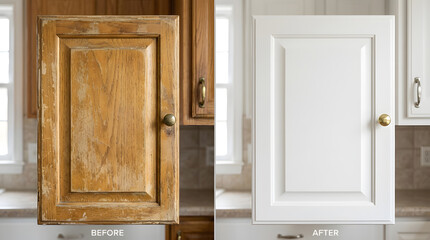
Cabinet Painting

Cabinet painting cost can vary depending on the size and complexity of the project. A small set of cabinets with simple doors and minimal preparation will generally require less labor and materials than a large kitchen with numerous doors, drawers, and detailed surfaces. The condition of the existing cabinets also plays an important role because damaged or heavily worn surfaces require additional preparation. Homeowners should therefore avoid relying on a single price when estimating what their project may cost. A personalized assessment provides a more accurate idea of the potential investment.

The type of cabinet can also influence the overall cost. Cabinets made from wood, laminate, engineered materials, or previously painted surfaces may require different preparation methods and coatings. Some materials are easier to paint than others, while certain surfaces may need specialized primers to achieve proper adhesion. The number of coats needed can also affect labor and material expenses. Because every cabinet project is different, the final price should reflect the specific conditions and requirements of the work.

Factors That Affect Cabinet Painting Cost

One of the biggest factors affecting cabinet painting cost is the amount of preparation required. Cabinets must typically be cleaned and prepared before paint is applied. Grease, dirt, old finishes, peeling paint, and other buildup can prevent new paint from adhering properly. Sanding, filling small imperfections, and priming may also be necessary. The more preparation a project requires, the more time and labor will generally be involved.

The cabinet layout is another important consideration. A kitchen with many doors, drawers, shelves, corners, and decorative details can take significantly longer to paint than a simple cabinet arrangement. Detailed cabinet doors require careful work around edges and profiles to achieve consistent coverage. Hardware may also need to be removed and reinstalled during the process. Projects involving complicated layouts can therefore have higher labor costs even when the total cabinet surface area does not seem particularly large.

How Cabinet Condition Affects the Price

The existing condition of cabinets can have a major effect on the cost of painting. Cabinets that are structurally sound and have relatively smooth surfaces are generally easier to prepare. In contrast, cabinets with peeling finishes, deep scratches, dents, cracks, or water damage may require additional repair before painting can begin. These repairs add time to the project and may require additional materials. In some situations, extensive damage may make replacement more practical than painting.

Old finishes can also create challenges during preparation. Multiple layers of paint or heavily worn coatings may need to be sanded or otherwise prepared before a new finish can be applied. Grease and cooking residue can be particularly difficult to remove from kitchen cabinets because they can interfere with paint adhesion. Proper cleaning and preparation are essential for achieving a durable result. Although preparation may increase the initial cost, skipping it can lead to peeling, uneven coverage, and other problems that may require costly corrections later.

Choosing Paint and Finishes

The type of paint selected can influence both the cost and final appearance of painted cabinets. Cabinet surfaces experience frequent handling, opening, closing, and cleaning, so the coating needs to be durable enough for regular use. Specialized cabinet paints and high-quality coatings may cost more than basic wall paint, but they are often designed to provide better durability and a smoother finish. Choosing the cheapest available product may not always produce the best long-term value.

The finish also affects the appearance of the cabinets. Satin and semi-gloss finishes are common choices because they can provide a balance between appearance, durability, and ease of cleaning. A smoother finish may highlight imperfections if the surface has not been prepared properly, making careful preparation even more important. Color selection can also affect the amount of paint needed, particularly when making a significant change from a dark color to a light one. Homeowners should consider both the initial material cost and the expected lifespan of the finish when making their choice.

Labor Costs and Professional Cabinet Painting

Labor is often one of the largest components of cabinet painting cost. Painting cabinets requires more precision than painting a large, flat wall because doors, drawers, edges, and detailed areas need careful attention. A professional may need to remove cabinet doors and hardware, label components, prepare surfaces, apply primer, paint multiple coats, and reinstall everything afterward. Each stage requires time and attention to detail. The complexity of the project can therefore have a greater impact on labor than homeowners might initially expect.

Professional cabinet painting can also provide a more consistent finish. Experienced painters understand how to prepare different surfaces and apply coatings evenly without excessive brush marks, drips, or uneven coverage. They may also use specialized application techniques or equipment to achieve a smoother appearance. For homeowners who want a polished result without spending significant personal time on preparation and painting, professional services may be worth considering. The value comes not only from the finished appearance but also from the labor, experience, and equipment involved.

DIY Cabinet Painting vs. Professional Painting

Painting cabinets yourself can reduce labor expenses, which may make it attractive for homeowners working with a limited budget. However, DIY cabinet painting still involves material costs such as primer, paint, cleaning products, sanding supplies, protective coverings, brushes, rollers, and other equipment. If specialized tools are needed, the total savings may be smaller than expected. Homeowners also need to account for the time required to remove, prepare, paint, dry, and reinstall cabinet components. A project that appears simple can become a significant time commitment.

Professional painting costs more initially because labor and expertise are included. However, professional work can reduce the likelihood of common mistakes that may require repainting or additional repairs. Proper preparation and application can also help extend the life of the finish. Homeowners should compare the expected DIY expenses, time commitment, and desired quality with the cost of hiring a professional. The best option depends on the project’s size, the homeowner’s experience, and the desired final result.

Ways to Manage Cabinet Painting Costs

There are several ways homeowners can control cabinet painting costs without sacrificing the quality of the project. One approach is to address minor repairs and cleaning before the painting work begins when practical. Preparing the surrounding area and removing unnecessary items can also make the work more efficient. Choosing a practical paint finish rather than an unnecessarily expensive specialty product can help keep material expenses under control. However, cutting costs should not involve skipping essential preparation or choosing unsuitable materials.

Another way to manage the budget is to focus on the cabinets that need the most attention. Homeowners may choose to paint only certain cabinet sections rather than completing every surface at once. Updating existing hardware instead of replacing all components can also help control renovation expenses. Planning the project carefully before purchasing materials can reduce waste and prevent unnecessary purchases. A clear understanding of the desired result makes it easier to determine where spending more will provide meaningful benefits.

Is Cabinet Painting More Affordable Than Replacement?

Cabinet painting is often considered when homeowners want to update the appearance of their kitchen or other spaces without completely replacing the existing cabinetry. If the cabinet boxes and doors are structurally sound, painting can provide a significant visual change without the expense associated with new cabinets. Replacement involves more than purchasing new doors because installation, removal, hardware, and related adjustments can increase the total project cost. Painting can therefore be an attractive option when the existing cabinets are in good condition.

However, painting is not always the right solution. Cabinets with severe structural damage, extensive moisture problems, or deteriorated materials may not be suitable candidates for refinishing. In those situations, replacement may provide better long-term value. Homeowners should evaluate both appearance and structural condition before deciding. Comparing the estimated cost of painting with the condition and expected lifespan of the existing cabinets can help determine which option makes the most sense.

Final Thoughts

Cabinet painting cost depends on many factors, including cabinet size, condition, material, preparation requirements, paint quality, finish, design complexity, and labor. A small and straightforward project may require considerably less investment than a large cabinet system with extensive repairs and detailed surfaces. While DIY painting can reduce labor expenses, professional painting can provide valuable expertise, efficiency, and a more consistent finish. Homeowners should focus on the overall value of the project rather than simply choosing the lowest possible price. With careful planning, suitable materials, and proper preparation, cabinet painting can provide an affordable way to give a home a refreshed and updated appearance.

Cabinet Refinishing: A Cost-Effective Alternative to Replacing Your Cabinets

The kitchen is often considered the heart of the home, serving as a gathering place for family meals, conversations, and daily activities. Because of its importance, homeowners frequently look for ways to improve the appearance and functionality of this space. One of the most noticeable features in any kitchen is the cabinetry. Cabinets occupy a significant amount of visual space and play a major role in defining the room’s overall style and atmosphere. Over time, however, cabinets can begin to look worn, outdated, or faded, prompting homeowners to consider renovation options.

While replacing cabinets entirely may seem like the obvious solution, it is not always the most practical or cost-effective choice. Complete cabinet replacement can involve substantial expenses, lengthy project timelines, and significant disruption to daily life. Fortunately, Cabinet Refinishing Modesto offers an attractive alternative that can dramatically transform the appearance of existing cabinets without the high costs associated with replacement.

cabinet refinishing

Cabinet refinishing has become increasingly popular among homeowners seeking to modernize their kitchens, bathrooms, and other spaces while staying within budget. By restoring and updating existing cabinetry, refinishing provides a fresh new look while preserving the structural integrity of the original cabinets. Understanding the benefits, process, and long-term value of cabinet refinishing can help homeowners determine whether this solution is the right fit for their renovation goals.

What Is Cabinet Refinishing?

Cabinet refinishing is the process of restoring and updating the appearance of existing cabinets without removing and replacing the cabinet boxes. Instead of installing entirely new cabinetry, refinishing focuses on improving the visible surfaces through cleaning, sanding, repairing, staining, painting, or applying new finishes.

The primary goal of cabinet refinishing is to enhance appearance while preserving the underlying structure. If the cabinet boxes remain in good condition, refinishing can provide a dramatic transformation at a fraction of the cost of replacement.

The refinishing process may involve:

  1. Cleaning and degreasing surfaces.
  2. Repairing minor damage.
  3. Sanding existing finishes.
  4. Applying new paint or stain.
  5. Sealing and protecting surfaces.
  6. Updating hardware if desired.

The result is cabinetry that looks refreshed and modern without the expense of a full replacement project.

Why Homeowners Choose Refinishing Over Replacement

Many homeowners initially assume that aging cabinets require complete replacement. However, in many cases, the cabinet structure remains perfectly functional even if the exterior appearance has deteriorated.

Cabinet refinishing allows homeowners to address cosmetic concerns while avoiding the costs and complexities associated with demolition and installation. Because the existing cabinet framework remains in place, the project can often be completed more efficiently and with less disruption.

Reasons homeowners choose refinishing include:

  1. Lower overall project costs.
  2. Faster completion times.
  3. Less construction-related disruption.
  4. Preservation of existing layouts.
  5. Reduced material waste.
  6. Significant visual improvement.

For those seeking maximum value from a renovation budget, refinishing is often an appealing solution.

The Cost Advantages of Cabinet Refinishing

One of the most compelling benefits of cabinet refinishing is cost savings. Cabinet replacement can represent one of the largest expenses in a kitchen or bathroom renovation due to material costs, labor requirements, and installation complexity.

Refinishing eliminates many of these expenses because the existing cabinets remain in place. Rather than paying for entirely new cabinetry, homeowners invest in restoring and enhancing what they already have.

Cost-saving factors include:

  1. No cabinet demolition.
  2. Reduced material purchases.
  3. Lower labor requirements.
  4. Shorter project duration.
  5. Minimal disposal expenses.

These financial advantages allow homeowners to allocate renovation funds toward other improvements while still achieving a substantial aesthetic upgrade.

Transforming the Appearance of a Kitchen

Cabinets often dominate the visual landscape of a kitchen. As a result, even relatively minor changes to cabinet appearance can have a dramatic impact on the room as a whole.

Refinishing allows homeowners to update colors, finishes, and styles to better reflect current design preferences. Cabinets that once appeared dated can be transformed into modern focal points that enhance the overall atmosphere of the space.

Potential visual improvements include:

  1. Updated color schemes.
  2. Modernized finishes.
  3. Enhanced brightness.
  4. Improved design cohesion.
  5. Refreshed aesthetic appeal.

Because cabinetry occupies such a prominent role in kitchen design, refinishing can create a noticeable transformation without requiring a complete remodel.

Extending the Life of Existing Cabinets

Many cabinets are constructed with durable materials capable of lasting for decades when properly maintained. Replacing structurally sound cabinets solely because of cosmetic concerns can be unnecessary and wasteful.

Cabinet refinishing helps extend the useful life of existing cabinetry by addressing wear and protecting surfaces from future deterioration. New finishes can improve durability while restoring visual appeal.

Benefits of extending cabinet lifespan include:

  1. Better return on original investment.
  2. Reduced renovation costs.
  3. Lower material consumption.
  4. Delayed replacement needs.
  5. Improved long-term value.

Rather than discarding functional cabinets, refinishing maximizes their continued usefulness.

Supporting Environmentally Conscious Renovation

Sustainability has become an important consideration for many homeowners. Renovation projects often generate substantial waste, particularly when large components such as cabinetry are removed and discarded.

Cabinet refinishing supports environmentally responsible practices by reducing the need for new materials and minimizing waste generation. Because the existing cabinet structure remains in use, fewer resources are consumed during the renovation process.

Environmental benefits may include:

  1. Reduced landfill waste.
  2. Conservation of materials.
  3. Lower manufacturing demand.
  4. Reduced transportation requirements.
  5. Extended product lifecycle.

For homeowners seeking eco-friendly renovation options, refinishing offers a practical and sustainable solution.

Faster Project Completion

Full cabinet replacement projects often involve multiple stages, including demolition, measurements, ordering, delivery, installation, and finishing work. Depending on project complexity, completion may take several weeks or longer.

Cabinet refinishing typically requires significantly less time because the cabinet boxes remain in place. While preparation and finishing work still demand attention to detail, the overall process is often much more efficient.

Advantages of shorter project timelines include:

  1. Reduced disruption to daily routines.
  2. Faster access to functional spaces.
  3. Less construction-related inconvenience.
  4. Improved project efficiency.
  5. Quicker visual results.

For busy households, these time savings can be a major advantage.

Customizing Style Without Major Construction

Every homeowner has unique design preferences, and cabinet refinishing provides opportunities for customization without requiring extensive remodeling work.

Refinishing can accommodate a variety of aesthetic goals, including:

  1. Contemporary appearances.
  2. Traditional styles.
  3. Minimalist designs.
  4. Rustic finishes.
  5. Transitional aesthetics.

Through careful selection of colors, stains, finishes, and hardware, homeowners can personalize their spaces while maintaining existing cabinet structures.

This flexibility allows for creative design updates that align with evolving tastes and trends.

The Importance of Surface Preparation

The success of any cabinet refinishing project depends heavily on proper preparation. Surface preparation creates the foundation for durable and visually appealing results.

Preparation typically involves:

  1. Thorough cleaning.
  2. Removal of grease and contaminants.
  3. Repair of minor imperfections.
  4. Sanding existing finishes.
  5. Surface conditioning.

These steps help ensure strong adhesion and a smooth, professional appearance. Skipping preparation can compromise both aesthetics and durability.

Proper preparation is often what separates high-quality refinishing results from short-lived cosmetic improvements.

Enhancing Property Value

Home improvement projects are often evaluated based on their ability to increase property value. Cabinet refinishing can contribute positively by improving one of the most visible and frequently used areas of a home.

Updated cabinetry often creates a more attractive and modern appearance, which may appeal to future buyers. Even if a homeowner has no immediate plans to sell, maintaining an updated interior can help preserve overall property value.

Potential value-related benefits include:

  1. Improved visual appeal.
  2. Enhanced marketability.
  3. Better buyer impressions.
  4. Updated interior presentation.
  5. Greater perceived maintenance quality.

Refinishing offers an affordable way to enhance a home’s overall presentation.

When Cabinet Refinishing Is the Best Choice

While refinishing provides numerous advantages, it is most effective when existing cabinets remain structurally sound. Cabinets with severe water damage, major structural failures, or extensive deterioration may require replacement instead.

Refinishing is often ideal when:

  1. Cabinet boxes are in good condition.
  2. Layout changes are unnecessary.
  3. Cosmetic updates are the primary goal.
  4. Budget considerations are important.
  5. Homeowners want minimal disruption.

In these situations, refinishing frequently delivers excellent results while maximizing value.

Long-Term Benefits of Cabinet Refinishing

Beyond immediate visual improvements, cabinet refinishing offers lasting advantages that continue to benefit homeowners over time.

Long-term benefits include:

  1. Extended cabinet lifespan.
  2. Improved surface protection.
  3. Reduced renovation costs.
  4. Enhanced design flexibility.
  5. Greater return on investment.

These advantages make refinishing an attractive option for homeowners seeking practical and economical home improvement solutions.

Cabinet refinishing is a cost-effective alternative to replacing cabinets, offering homeowners an opportunity to transform kitchens, bathrooms, and other spaces without the expense and disruption of full cabinet replacement. By restoring existing cabinetry through professional refinishing techniques, homeowners can achieve dramatic visual improvements while preserving functional structures.

From reducing renovation costs and project timelines to supporting sustainability and extending cabinet lifespan, refinishing provides numerous advantages that make it a smart investment. When cabinets remain structurally sound, refinishing often delivers the perfect balance of affordability, beauty, and long-term value.

For homeowners looking to refresh their living spaces without undertaking a major renovation, cabinet refinishing represents a practical and rewarding solution that continues to grow in popularity. With the right approach and attention to detail, existing cabinets can be transformed into beautiful focal points that enhance both the appearance and value of a home for years to come.