Experiencing a fire in a home or commercial property can be one of the most stressful and overwhelming events a property owner will ever face. Even a relatively small fire can leave behind significant damage that extends far beyond what is immediately visible. Flames may destroy building materials and personal belongings, but smoke, soot, and water used during firefighting efforts often cause widespread damage throughout the property. In the aftermath of a fire, many owners find themselves asking an important question: Is fire damage restoration worth it?
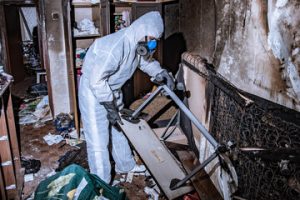
The short answer is yes. In most situations, professional fire damage restoration is not only worth the investment but also essential for protecting the safety, value, and long-term condition of a property. While restoration costs may initially seem substantial, the benefits often far outweigh the expenses. Proper Utah Fire Damage Restoration helps prevent additional damage, preserves structural integrity, improves indoor air quality, and restores a property to a safe and functional condition.
Understanding the true value of fire damage restoration can help property owners make informed decisions during a difficult time. This guide explores the benefits, costs, and long-term advantages of professional fire restoration services and explains why restoration is often one of the smartest investments after a fire-related disaster.
Understanding the Full Impact of Fire Damage
Many people assume that fire damage only affects areas directly touched by flames. In reality, the effects of a fire can spread throughout an entire property. Smoke travels quickly through ventilation systems, hallways, and open spaces, depositing residue on walls, ceilings, furniture, and personal belongings. Soot particles can penetrate porous materials and continue causing damage long after the fire has been extinguished.
In addition to smoke and soot, water used during firefighting efforts can create another layer of destruction. Saturated building materials, flooring, insulation, and furnishings can become vulnerable to mold growth and structural deterioration if not addressed promptly.
Because fire damage often involves multiple forms of contamination and deterioration, restoration requires a comprehensive approach. Simply cleaning visible surfaces rarely solves the underlying issues. Professional restoration focuses on identifying and correcting all forms of damage to ensure the property can be safely occupied again.
Why Fire Damage Should Never Be Ignored
One of the biggest mistakes property owners can make after a fire is delaying restoration efforts. Some may believe that minor damage can wait or that affected areas can simply be cleaned and repaired over time. Unfortunately, fire damage continues to worsen when left untreated.
Smoke residue is acidic and can gradually corrode metal, stain surfaces, and damage electronic components. Soot particles can become embedded in materials, making them increasingly difficult to remove. Water trapped within walls and flooring may create ideal conditions for mold growth and structural weakening.
Ignoring fire damage can lead to:
- Higher restoration costs in the future.
- Increased structural deterioration.
- Persistent smoke odors.
- Poor indoor air quality.
- Reduced property value.
- Potential health hazards.
Prompt restoration minimizes these risks and helps prevent secondary damage from becoming a larger and more expensive problem.
The Financial Value of Fire Damage Restoration
At first glance, restoration services may seem costly. However, evaluating the true value of restoration requires looking beyond the immediate expense and considering the long-term financial benefits.
A professionally restored property often retains significantly more value than one that receives minimal repairs or incomplete cleanup. Potential buyers, tenants, and insurance inspectors can easily identify signs of unresolved fire damage, which may negatively affect a property’s marketability and appraisal value.
Professional restoration can also reduce future repair costs. By addressing hidden issues early, restoration professionals help prevent structural failures, mold growth, electrical problems, and ongoing deterioration. Investing in restoration today often prevents much larger expenses later.
When viewed as a long-term investment rather than a short-term expense, fire damage restoration becomes a practical and financially responsible decision.
Protecting Structural Integrity
One of the most important reasons fire damage restoration is worth it is the protection of structural integrity. Fire can weaken support beams, framing systems, flooring, roofing materials, and load-bearing walls. Even when damage appears minor on the surface, hidden structural issues may exist behind walls or above ceilings.
Professional restoration teams conduct detailed inspections to identify compromised components and determine whether repairs or replacements are necessary. This process helps ensure the property remains safe for occupants and complies with applicable safety standards.
Structural repairs are often critical because unnoticed weaknesses can lead to serious safety concerns over time. Restoration provides peace of mind by ensuring the property’s foundation and support systems remain stable and secure.
Eliminating Smoke and Soot Damage
Smoke and soot damage are among the most challenging aspects of fire recovery. Even small fires can produce enough smoke to affect multiple rooms and leave behind stubborn odors that linger for months or even years if not properly addressed.
Professional restoration specialists use advanced cleaning techniques and equipment to remove soot residue from surfaces and eliminate smoke particles from the air. Specialized odor-removal treatments target contaminants at their source rather than masking unpleasant smells.
The benefits of thorough smoke and soot removal include:
- Improved indoor air quality.
- Reduced health risks.
- Prevention of permanent staining.
- Elimination of persistent odors.
- Preservation of furnishings and belongings.
Without professional treatment, smoke-related issues often continue to affect comfort and property value long after visible fire damage has been repaired.
Health and Safety Benefits
Fire damage can create numerous health hazards that are not immediately obvious. Smoke residue contains microscopic particles that may irritate the respiratory system and aggravate allergies or other health conditions. Soot contamination can spread throughout a property and settle in areas that appear clean.
Additionally, water damage resulting from firefighting efforts can contribute to mold growth if moisture is not properly removed. Mold can negatively impact indoor air quality and create additional health concerns for occupants.
Professional restoration helps create a safer living or working environment by removing contaminants, improving ventilation, and restoring healthy indoor conditions. This aspect alone makes restoration worthwhile for many property owners who prioritize the well-being of their families, employees, or tenants.
Salvaging Valuable Belongings
One common misconception is that everything affected by a fire must be discarded. In reality, many items can be successfully restored through specialized cleaning and recovery techniques.
Furniture, electronics, documents, clothing, artwork, and sentimental possessions may be salvageable depending on the extent of the damage. Professional restoration teams often use advanced methods designed to remove smoke residue, eliminate odors, and restore valuable belongings.
The ability to recover cherished possessions can provide both financial and emotional benefits. Replacing valuable items is often expensive, and some belongings may be irreplaceable due to their sentimental significance.
For many property owners, the opportunity to preserve important items is one of the most compelling reasons to invest in professional fire damage restoration.
Insurance Considerations
Insurance coverage often plays a major role in determining whether restoration is worth the cost. Many property insurance policies provide coverage for fire-related damage, including cleanup, repairs, reconstruction, and temporary living expenses.
Working with restoration professionals can simplify the claims process. Restoration teams frequently assist with documentation, damage assessments, and detailed reports that support insurance claims. Their expertise can help ensure that all eligible damages are properly identified and recorded.
Because insurance may cover a substantial portion of restoration expenses, property owners often find that the financial burden is less significant than anticipated. Understanding policy coverage and acting quickly after a fire can maximize available benefits.
Restoring Property Value
A property that has experienced fire damage can suffer a significant decline in market value if restoration is incomplete or poorly executed. Prospective buyers and investors may be hesitant to purchase a property with visible signs of damage or unresolved structural concerns.
Professional restoration helps restore confidence in the property’s condition by addressing both visible and hidden damage. Thorough restoration demonstrates that the property has been properly repaired and returned to a safe, functional state.
Maintaining property value is especially important for owners who may consider selling or refinancing in the future. Restoration protects one of the property’s most valuable assets and supports long-term financial stability.
When Restoration May Not Be Practical
Although restoration is worth it in most cases, there are situations where reconstruction or replacement may be a more practical option. Extremely severe fires that cause catastrophic structural damage can sometimes make restoration economically challenging.
Professionals typically evaluate several factors when determining whether restoration is feasible, including:
- The percentage of structural damage.
- Overall restoration costs compared to rebuilding costs.
- Safety concerns.
- Age and condition of the structure.
- Insurance considerations.
A professional assessment provides valuable insight into whether restoration remains the best path forward. In many cases, however, restoration proves to be more cost-effective and less disruptive than complete reconstruction.
The Long-Term Benefits of Fire Damage Restoration
The true value of fire damage restoration becomes increasingly apparent over time. A properly restored property offers benefits that extend well beyond the immediate recovery period.
These long-term advantages include improved safety, preserved property value, enhanced comfort, healthier indoor air quality, and reduced maintenance costs. Restoration also helps prevent recurring issues that may arise from hidden fire, smoke, or water damage.
Perhaps most importantly, professional restoration helps property owners regain a sense of normalcy after a traumatic event. Restoring a damaged property creates a foundation for moving forward and rebuilding confidence in the future.
Conclusion
So, is fire damage restoration worth it? In the vast majority of cases, the answer is an unequivocal yes. Fire damage extends far beyond burned materials and often includes smoke contamination, soot buildup, water damage, structural concerns, and health risks. Professional restoration addresses all of these issues through a comprehensive process designed to return the property to a safe and functional condition.
While restoration requires an investment, the long-term benefits frequently outweigh the costs. Property owners gain improved safety, preserved property value, healthier indoor environments, and protection against future damage. Restoration also helps recover valuable belongings and supports insurance claims, making the recovery process more manageable.
Fire damage restoration is more than a repair service—it is an investment in the future of a property. By acting quickly and working with qualified professionals, property owners can protect their assets, restore peace of mind, and ensure their property remains a safe and valuable place for years to come.