Innovation is often associated with cutting-edge technology, groundbreaking inventions, and transformative ideas. However, behind many of the products, structures, and systems that shape modern industries lies a critical yet often overlooked contributor: the custom fabrication shop. These specialized facilities serve as the bridge between concept and reality, transforming ideas, sketches, and digital designs into tangible solutions that meet unique requirements and solve complex challenges.
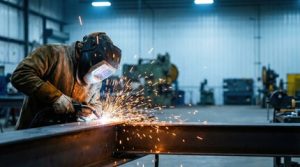
In an era where customization, efficiency, and adaptability are increasingly valued, custom fabrication shops have become essential partners across a wide range of industries. They provide the expertise, equipment, and craftsmanship necessary to create components, structures, and products that standard manufacturing processes may not be able to deliver. Whether supporting construction projects, industrial operations, product development initiatives, or architectural designs, custom fabrication shops play a central role in driving innovation and enabling creative problem-solving. Gain more insights by visiting https://www.83metalcraftboise.com/.
As industries continue to evolve and customer expectations become more sophisticated, the importance of custom fabrication continues to grow. These facilities are no longer viewed simply as production centers; they have become innovation hubs where engineering, design, and manufacturing converge to create solutions tailored to specific needs.
What Is a Custom Fabrication Shop?
A custom fabrication shop is a specialized facility that designs, modifies, and manufactures components or structures according to unique project requirements. Unlike mass-production environments that focus on standardized products, custom fabrication shops emphasize flexibility, precision, and customization.
These shops often work with a variety of materials and fabrication techniques to produce one-of-a-kind solutions. Every project may involve different specifications, dimensions, performance requirements, and design objectives.
Common fabrication processes include:
- Cutting and shaping materials.
- Welding and assembly.
- Forming and bending.
- Machining and finishing.
- Surface treatment and coating.
- Prototype development.
This ability to adapt to diverse project demands makes custom fabrication an invaluable resource for businesses seeking innovative and specialized outcomes.
The Role of Custom Fabrication in Modern Innovation
Innovation frequently begins with an idea, but turning that idea into a functional reality often requires technical expertise and manufacturing capabilities. Custom fabrication shops help bridge the gap between conceptual design and physical implementation.
When standard products fail to meet specific requirements, custom fabrication offers a path forward. Designers, engineers, architects, and business owners can collaborate with fabrication professionals to create tailored solutions that address unique challenges.
Custom fabrication supports innovation by:
- Enabling design flexibility.
- Supporting prototype development.
- Solving complex engineering problems.
- Accelerating product development.
- Allowing rapid design modifications.
By providing the tools and expertise necessary to transform concepts into functional products, fabrication shops help bring innovative ideas to life.
Custom Solutions for Unique Challenges
Every project presents its own set of requirements. In many cases, off-the-shelf products simply cannot provide the performance, dimensions, or functionality needed to achieve project goals.
Custom fabrication shops excel at addressing these situations by developing solutions specifically designed for the task at hand. Rather than forcing a project to adapt to available products, fabrication allows products to be created around project requirements.
Examples of custom fabrication applications include:
- Specialized structural components.
- Architectural features.
- Industrial equipment modifications.
- Custom machinery parts.
- Prototype products.
- Unique support systems.
This adaptability enables organizations to overcome limitations and pursue innovative solutions with confidence.
Supporting Product Development and Prototyping
Many successful products begin as concepts that require extensive testing and refinement before reaching the market. Custom fabrication shops play an important role in this development process by creating prototypes that allow ideas to be evaluated in real-world conditions.
Prototyping offers several advantages:
- Validation of design concepts.
- Identification of performance issues.
- Testing of functionality.
- Refinement of specifications.
- Reduction of production risks.
Fabrication shops help innovators move beyond digital models and create physical prototypes that provide valuable insights during product development.
This hands-on approach often accelerates innovation and improves final product quality.
Precision and Craftsmanship in Fabrication
Innovation requires more than creativity. It also demands precision, reliability, and attention to detail. Custom fabrication shops combine advanced technology with skilled craftsmanship to ensure that projects meet exact specifications.
Fabricators work closely with design plans and technical requirements to produce components that align with project objectives. Precision is particularly important in applications where structural performance, safety, and functionality are critical.
Key elements of quality fabrication include:
- Accurate measurements.
- Precise material processing.
- Skilled welding and assembly.
- Thorough quality control.
- Consistent production standards.
This commitment to excellence helps ensure that innovative ideas are translated into dependable real-world solutions.
The Importance of Collaboration
One of the defining characteristics of successful custom fabrication projects is collaboration. Fabrication shops frequently work alongside architects, engineers, designers, contractors, and business owners throughout the project lifecycle.
This collaborative approach helps identify opportunities for improvement and ensures that solutions align with both technical requirements and project goals.
Benefits of collaboration include:
- Enhanced problem-solving.
- Improved design efficiency.
- Reduced project risks.
- Better communication.
- Stronger project outcomes.
By bringing together diverse expertise, custom fabrication shops contribute to more innovative and effective solutions.
Technology’s Impact on Fabrication Capabilities
Modern fabrication shops have benefited significantly from technological advancements. Digital design software, computer-controlled machinery, and advanced manufacturing systems have expanded the possibilities for customization and precision.
Technology enables fabrication shops to:
- Improve design accuracy.
- Increase production efficiency.
- Enhance consistency.
- Reduce material waste.
- Support complex geometries.
These capabilities allow fabricators to tackle increasingly sophisticated projects while maintaining high levels of quality and performance.
As technology continues to evolve, custom fabrication shops are positioned to play an even greater role in innovation and product development.
Custom Fabrication Across Multiple Industries
The versatility of custom fabrication allows it to support a wide range of industries. Nearly every sector benefits from the ability to create specialized components and solutions tailored to specific operational needs.
Industries that frequently rely on fabrication services include:
- Construction.
- Manufacturing.
- Transportation.
- Energy.
- Agriculture.
- Architecture.
- Healthcare.
- Commercial development.
Each industry presents unique challenges, and custom fabrication provides the flexibility necessary to address them effectively.
This broad applicability highlights the importance of fabrication as a foundational element of modern innovation.
Enhancing Efficiency Through Tailored Solutions
Standardized products are designed to meet general needs, but they may not always offer optimal performance in specialized applications. Custom fabrication allows organizations to develop solutions specifically tailored to their operational requirements.
Tailored solutions can improve:
- Workflow efficiency.
- Equipment performance.
- Space utilization.
- Productivity.
- Long-term reliability.
When components are designed around actual needs rather than generic assumptions, the resulting systems often perform more effectively and efficiently.
This ability to optimize performance is one of the key reasons organizations invest in custom fabrication services.
Sustainability and Resource Optimization
Sustainability has become an important consideration in modern manufacturing and construction practices. Custom fabrication can support sustainability goals by reducing waste and improving resource utilization.
Because projects are designed according to precise requirements, materials can often be used more efficiently than in standardized production processes.
Sustainability-related benefits may include:
- Reduced material waste.
- Longer product lifespan.
- Improved resource efficiency.
- Better repair and modification opportunities.
- Reduced replacement frequency.
By creating durable, purpose-built solutions, fabrication shops contribute to more sustainable project outcomes.
The Competitive Advantage of Custom Fabrication
Organizations that embrace innovation often seek ways to differentiate themselves from competitors. Custom fabrication can provide a significant competitive advantage by enabling unique products, specialized capabilities, and improved operational performance.
Benefits of custom fabrication as a strategic tool include:
- Product differentiation.
- Enhanced functionality.
- Greater design flexibility.
- Faster adaptation to market needs.
- Improved customer satisfaction.
Rather than relying solely on standard solutions, businesses can leverage custom fabrication to create offerings that stand out in competitive markets.
This strategic value extends far beyond manufacturing and influences overall business success.
The Future of Custom Fabrication Shops
As industries continue to demand greater customization and innovation, the role of custom fabrication shops is expected to expand. Advances in automation, digital modeling, material science, and manufacturing technologies will create new opportunities for fabrication professionals.
Future developments may include:
- Enhanced digital integration.
- Advanced fabrication techniques.
- Greater customization capabilities.
- Improved production efficiency.
- Increased collaboration between design and manufacturing teams.
These trends will further strengthen the position of fabrication shops as key drivers of innovation and problem-solving.
The ability to transform ideas into practical, high-quality solutions will remain one of their most valuable contributions to modern industry.
Custom fabrication shops play a vital role in unlocking innovation across countless industries. By combining technical expertise, advanced manufacturing capabilities, precision craftsmanship, and collaborative problem-solving, these facilities help transform ideas into tangible realities.
Their ability to create tailored solutions allows organizations to overcome challenges, improve performance, and pursue opportunities that standardized products may not support. From prototype development and specialized equipment to architectural features and industrial systems, custom fabrication enables innovation at every stage of the design and production process.
As technology advances and demand for customization continues to grow, custom fabrication shops will remain essential partners in shaping the future. They are more than manufacturing facilities; they are innovation engines where creativity, engineering, and craftsmanship come together to build the solutions of tomorrow.