The roofing industry has undergone a remarkable transformation over the past several decades. What was once viewed primarily as a protective barrier against weather and environmental elements has evolved into a critical component of modern building performance, energy efficiency, and sustainability. Today’s roofing systems are designed not only to shield structures from rain, wind, and sunlight but also to contribute to environmental conservation, improve indoor comfort, reduce energy consumption, and support long-term property value. As sustainability becomes an increasingly important consideration for homeowners, property managers, and builders alike, Cedar Park Roofing Pro technology continues to play a significant role in shaping how buildings interact with the environment.
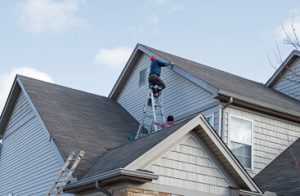
The evolution of roofing reflects broader changes in construction practices and environmental awareness. Traditional roofing materials were selected largely based on availability, durability, and cost. While these factors remain important, modern roofing decisions now include considerations such as energy performance, environmental impact, recyclability, and lifecycle costs. Advances in manufacturing, material science, and building design have created opportunities for roofing systems that perform far beyond their original purpose. As a result, roofs are no longer passive components of a building envelope but active contributors to sustainable living strategies.
One of the most significant developments in modern roofing is the increased emphasis on energy efficiency. Buildings account for a substantial portion of global energy consumption, and roofing systems play a major role in regulating indoor temperatures. A poorly designed roof can absorb excessive heat during warm weather and allow heat loss during cooler periods, resulting in higher energy demands for heating and cooling systems. Modern roofing technologies help address these challenges by incorporating materials and designs that improve thermal performance. Enhanced insulation, reflective surfaces, and advanced ventilation systems contribute to more stable indoor environments while reducing dependence on mechanical climate control equipment.
Reflective roofing materials have become particularly important in efforts to improve energy efficiency. Traditional dark-colored roofing surfaces often absorb large amounts of solar radiation, causing roof temperatures to rise significantly. This heat can transfer into the building below, increasing cooling costs and placing additional strain on air conditioning systems. Modern reflective roofing solutions are designed to minimize heat absorption by reflecting a greater portion of sunlight away from the structure. This simple yet effective approach can help maintain lower roof temperatures, improve occupant comfort, and reduce overall energy consumption throughout the year.
Another important aspect of roofing evolution is the development of environmentally responsible materials. Sustainability in construction increasingly involves evaluating the environmental footprint of building components throughout their entire lifecycle. Roofing manufacturers have responded by producing materials that require fewer natural resources, generate less waste, and offer greater recyclability. Many modern roofing products are designed with durability in mind, helping extend service life and reduce the frequency of replacements. Longer-lasting roofing systems contribute to sustainability by minimizing material consumption and lowering the environmental impacts associated with manufacturing, transportation, and disposal.
The integration of advanced insulation technologies has also transformed roofing performance. Effective insulation is essential for maintaining comfortable indoor temperatures while reducing energy costs. Modern roofing systems often incorporate insulation materials that provide superior thermal resistance compared to traditional alternatives. By reducing heat transfer through the roof assembly, these systems help buildings remain cooler during hot weather and warmer during colder seasons. Improved insulation not only enhances comfort but also supports broader sustainability goals by decreasing overall energy demand and reducing greenhouse gas emissions associated with heating and cooling operations.
As concerns about environmental responsibility continue to grow, roofing systems are increasingly being designed to support sustainable building practices in multiple ways. Some of the most notable advancements include:
- Improved energy-efficient roofing materials that help reduce heating and cooling demands.
- Enhanced insulation systems that contribute to better thermal performance.
- Reflective roof surfaces that minimize heat absorption and support indoor comfort.
- Durable materials designed to extend roof lifespan and reduce waste generation.
- Recyclable roofing products that support circular economy initiatives and responsible resource management.
Beyond material innovation, roofing design itself has evolved significantly. Modern roof systems are often engineered to maximize performance under various environmental conditions. Designers now consider factors such as ventilation, moisture control, solar exposure, and water management when developing roofing solutions. This comprehensive approach allows roofs to function as integrated components of an overall building strategy rather than isolated structural elements. The result is improved performance, greater resilience, and enhanced sustainability across a wide range of building types.
Moisture management has become a particularly important focus in contemporary roofing design. Excess moisture can compromise structural integrity, reduce insulation effectiveness, and contribute to mold growth. Modern roofing systems incorporate sophisticated waterproofing and drainage solutions that help prevent water infiltration while allowing moisture to escape when necessary. Proper moisture management extends the lifespan of roofing materials, protects interior building components, and supports healthier indoor environments. These benefits align closely with sustainable living principles by promoting durability, resource conservation, and occupant well-being.
The growing popularity of environmentally conscious construction has also encouraged greater attention to roofing maintenance and lifecycle planning. In the past, roofing decisions were often driven primarily by initial installation costs. Today, property owners are increasingly considering long-term performance and total cost of ownership. A roof that requires fewer repairs, lasts longer, and delivers better energy efficiency may offer significantly greater value over its lifespan. This shift toward lifecycle thinking supports sustainable living by encouraging investments in quality materials and responsible building practices that generate lasting benefits.
Roofing systems are also contributing to efforts aimed at reducing urban heat accumulation. Large concentrations of buildings and paved surfaces can create elevated temperatures in developed areas, increasing energy consumption and affecting environmental quality. Reflective roofing technologies and heat-resistant materials help mitigate these effects by reducing surface temperatures and limiting heat absorption. While individual roofs may seem insignificant on their own, widespread adoption of energy-efficient roofing solutions can contribute to meaningful environmental improvements across entire communities.
Modern roofing advancements have also improved resilience against increasingly unpredictable weather conditions. Climate-related challenges such as heavy rainfall, intense sunlight, high winds, and temperature fluctuations place significant demands on building structures. Roofing systems designed with enhanced durability and weather resistance help protect properties from damage while reducing the need for frequent repairs and replacements. Greater resilience supports sustainability by conserving resources, minimizing waste, and maintaining building performance over extended periods.
Several key factors demonstrate how modern roofing contributes directly to sustainable living:
- Reduced energy consumption through improved thermal efficiency.
- Lower environmental impact through durable and recyclable materials.
- Enhanced indoor comfort without excessive reliance on mechanical systems.
- Improved resilience against weather-related challenges.
- Longer service life that reduces resource use and construction waste.
- Better moisture management that protects structural integrity and indoor air quality.
The integration of smart technologies is another emerging trend influencing the future of roofing. Modern building systems increasingly rely on data and monitoring tools to optimize performance and maintenance. Roofing technologies are beginning to incorporate sensors and monitoring systems capable of detecting moisture intrusion, temperature fluctuations, and structural changes. These innovations allow property owners to identify issues early, reduce maintenance costs, and extend the lifespan of roofing systems. Preventive maintenance supported by real-time data aligns well with sustainable practices because it helps avoid unnecessary repairs and material waste.
Indoor environmental quality is another area where roofing evolution has created substantial benefits. Comfortable living and working environments depend heavily on effective temperature regulation, moisture control, and ventilation. Modern roofing systems contribute to these goals by improving thermal performance and reducing the risk of water-related issues. Better indoor conditions can enhance occupant satisfaction, support productivity, and promote overall well-being. Sustainable living encompasses not only environmental responsibility but also the creation of healthy and comfortable spaces for people to inhabit.
Economic sustainability is equally important when evaluating modern roofing solutions. While advanced roofing systems may involve higher initial investments, they often deliver long-term financial benefits through energy savings, reduced maintenance requirements, and extended service life. Lower utility costs and fewer repair expenses can help offset installation costs over time. This balance between environmental and economic performance makes sustainable roofing an attractive option for property owners seeking practical solutions that generate measurable value.
The construction industry continues to embrace sustainable building certifications and performance standards, many of which place significant emphasis on roofing systems. Roof design and material selection can influence energy efficiency ratings, environmental performance metrics, and overall building sustainability assessments. As regulations and industry standards continue to evolve, roofing is expected to remain a key focus area for improving building performance and reducing environmental impacts.
Consumer awareness has also played an important role in driving roofing innovation. Property owners today are more informed about environmental issues and often seek solutions that align with their sustainability goals. This demand has encouraged ongoing research and development within the roofing industry, leading to the introduction of increasingly efficient, durable, and environmentally responsible products. As technology advances, roofing systems are likely to become even more sophisticated in their ability to support sustainable living objectives.
Looking ahead, the future of roofing appears closely tied to broader sustainability initiatives within the built environment. Continued advancements in material science, energy efficiency, smart technology integration, and environmental design are expected to further expand the role of roofing systems in sustainable construction. The roof of a building is no longer simply a protective covering; it has become an essential element in achieving energy efficiency, resource conservation, occupant comfort, and long-term environmental responsibility.
In conclusion, the modern evolution of roofing has fundamentally changed the way buildings contribute to sustainable living. Through innovative materials, improved insulation, enhanced durability, advanced moisture management, and energy-efficient design, roofing systems now serve as powerful tools for reducing environmental impact while improving building performance. As sustainability continues to influence construction practices around the world, modern roofing will remain at the forefront of efforts to create healthier, more efficient, and more resilient buildings. Property owners who embrace these advancements can benefit from lower operating costs, increased comfort, and a meaningful contribution to a more sustainable future.