Basement flooding is one of the most stressful and costly problems a property owner can face. Whether caused by heavy rainfall, plumbing failures, foundation cracks, poor drainage, or groundwater intrusion, water entering a basement can quickly lead to extensive structural damage and health concerns. Even a small amount of standing water can affect flooring, walls, insulation, furniture, and personal belongings. If left untreated, moisture can create the perfect environment for mold growth, unpleasant odors, and long-term deterioration of building materials. Understanding effective All Pro Services basement flooding solutions, proper cleanup procedures, repair methods, and prevention strategies can help minimize damage and protect a property from future incidents.
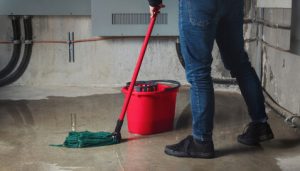
When basement flooding occurs, immediate action is critical. Water can spread rapidly throughout the space and seep into porous materials, making restoration more difficult as time passes. The priority should always be safety. Electrical hazards, contaminated water, and structural weaknesses can pose serious risks. If water levels are significant, the area should be inspected carefully before entering. Once it is safe to do so, identifying the source of the flooding becomes an essential step. Water entering through foundation walls, floor cracks, plumbing leaks, or drainage system failures requires different solutions. Understanding the root cause helps ensure that repairs address the actual problem rather than just the visible damage.
The cleanup process should begin as soon as possible after flooding has been discovered. Standing water should be removed promptly using pumps, wet vacuums, or other water extraction equipment. The longer water remains in the basement, the greater the risk of permanent damage and microbial growth. After the water has been extracted, all wet materials should be evaluated. Some items may be salvageable if dried quickly, while others may require disposal due to contamination or severe saturation. Carpeting, drywall, insulation, and upholstered furniture often absorb large amounts of water and may need replacement depending on the extent of the damage.
Drying the affected area thoroughly is one of the most important stages of basement flood cleanup. Many property owners underestimate the amount of hidden moisture that remains after visible water has been removed. Moisture can become trapped behind walls, beneath flooring, and inside structural materials. Professional-grade air movers, dehumidifiers, and ventilation systems are commonly used to accelerate the drying process. Proper drying helps prevent mold growth, wood rot, and deterioration of building components. Moisture monitoring tools can also be useful for confirming that materials have returned to acceptable moisture levels before repairs begin.
One of the most common consequences of basement flooding is mold development. Mold can begin growing within a relatively short period when moisture is present. In addition to damaging materials, mold may affect indoor air quality and contribute to respiratory issues for occupants. Any signs of mold growth should be addressed immediately through proper cleaning, removal of contaminated materials, and moisture control measures. Preventing mold requires more than surface cleaning. Eliminating the source of moisture and ensuring complete drying are essential for long-term success.
Basement flood repair often involves restoring both structural and cosmetic elements that have been affected by water. Walls, flooring systems, insulation, support structures, and electrical components may all require inspection and repair. Water-damaged drywall frequently loses its structural integrity and may need replacement. Wooden framing should be assessed for signs of warping, swelling, or decay. Flooring materials such as laminate, carpet, and engineered wood products often suffer significant damage when exposed to prolonged moisture. Replacing compromised materials helps restore safety, appearance, and functionality to the space.
Foundation issues are another important consideration when dealing with basement flooding. Cracks in foundation walls or floors can allow water to enter during periods of heavy rainfall or elevated groundwater levels. These openings may appear small initially but can expand over time due to soil movement and hydrostatic pressure. Repairing foundation cracks using appropriate sealing and waterproofing techniques can help prevent future water intrusion. In some situations, more extensive structural repairs may be necessary to address underlying foundation problems and improve the overall integrity of the building.
Many successful basement flooding solutions focus on improving water management around the property. Surface water should be directed away from the building to reduce the likelihood of water entering the basement. Poor grading, clogged drainage systems, and improper runoff management can contribute significantly to flooding risks. Ensuring that water flows away from the structure rather than toward it can reduce pressure on foundation walls and minimize opportunities for moisture intrusion. Proper drainage improvements often provide long-term protection against recurring basement water issues.
There are several effective solutions commonly used to address basement flooding problems:
- Install or upgrade waterproofing systems to reduce water penetration through foundation walls and floors.
- Improve drainage around the property to direct water away from the structure and minimize hydrostatic pressure.
- Repair foundation cracks and structural openings that allow water to enter the basement.
- Maintain sump pump systems and backup power solutions to ensure reliable water removal during storms and power outages.
- Use moisture-resistant materials when renovating or repairing basement spaces to improve resilience against future water exposure.
Interior waterproofing systems can be particularly beneficial in situations where water intrusion occurs regularly. These systems are designed to collect and redirect water before it causes significant damage. Depending on the specific conditions, solutions may include drainage channels, waterproof coatings, vapor barriers, and water collection systems. While interior waterproofing can help manage water effectively, it is often most successful when combined with exterior drainage improvements and foundation repairs.
Exterior waterproofing represents another important strategy for preventing basement flooding. Unlike interior solutions that manage water after it enters, exterior waterproofing aims to stop water from reaching the foundation in the first place. This approach may involve applying waterproof membranes, improving drainage systems, and addressing grading issues around the property. Although exterior waterproofing can require a larger investment, it often provides long-term protection and helps reduce the likelihood of future flooding events.
Sump pumps play a critical role in many basement flood prevention systems. These devices collect and remove water before it accumulates to damaging levels. However, like any mechanical equipment, sump pumps require regular inspection and maintenance to ensure reliable operation. Property owners should test their systems periodically and verify that discharge lines remain clear and functional. Backup power sources can provide additional protection during severe weather events when power outages are more likely to occur.
Routine maintenance is one of the most effective ways to reduce basement flooding risks. Small problems often develop gradually and may go unnoticed until a major flooding event occurs. Regular inspections can help identify warning signs such as foundation cracks, moisture stains, musty odors, drainage issues, and plumbing leaks. Addressing these concerns early can prevent minor issues from escalating into costly repairs and extensive water damage restoration projects.
The following prevention tips can help reduce the likelihood of basement flooding:
- Inspect foundation walls and floors regularly for cracks or signs of water intrusion.
- Keep drainage systems clear and functioning properly to promote efficient water flow.
- Ensure grading around the property directs water away from the structure.
- Test sump pumps periodically and maintain backup systems when possible.
- Address plumbing leaks promptly to prevent water accumulation and hidden moisture problems.
- Monitor basement humidity levels and use dehumidification equipment when necessary.
- Store valuable items off the floor in areas that may be vulnerable to water exposure.
- Schedule routine inspections to identify potential risks before they become major issues.
Climate patterns and extreme weather events have increased awareness of basement flooding concerns in many regions. Heavy rainfall, sudden storms, and changing groundwater conditions can place additional stress on drainage systems and foundations. As a result, proactive flood prevention measures are becoming increasingly important for property owners seeking to protect their investments. Investing in preventive solutions is often far less expensive than dealing with the aftermath of significant water damage.
In addition to protecting structural components, effective basement flooding prevention helps preserve indoor air quality and overall property value. A dry, well-maintained basement contributes to a healthier living environment and reduces the likelihood of mold-related issues. Properties with documented waterproofing improvements and flood prevention systems may also be more attractive to prospective buyers who value long-term protection against water damage.
Ultimately, basement flooding requires a comprehensive approach that combines immediate response, thorough cleanup, effective repairs, and long-term prevention strategies. Removing water quickly, drying affected materials properly, addressing structural vulnerabilities, and implementing reliable waterproofing measures all contribute to successful restoration and protection. By understanding the causes of basement flooding and taking proactive steps to prevent future incidents, property owners can reduce risks, minimize repair costs, and maintain a safer, healthier, and more resilient property for years to come.