Author: Francis Brady

Unlocking Innovation Through Custom Fabrication Shops

Innovation in modern design and construction is rarely the result of off-the-shelf solutions. As industries push boundaries and creative visions become more ambitious, the demand for tailored components has grown significantly. This is where custom fabrication shops play a critical role. By transforming raw metal into purpose-built solutions, these shops help bridge the gap between concept and reality. Custom fabrication is not just about manufacturing parts; it is about problem-solving, collaboration, and bringing unique ideas to life through precision and craftsmanship.

Custom fabrication shops differ from standard production facilities in one important way: they focus on adaptability. Instead of relying on pre-made templates, they work closely with designers, engineers, and builders to develop solutions that align with specific project requirements. This approach allows for greater creative freedom and technical flexibility. Whether the goal is to create a complex structural element or a refined architectural feature, custom fabrication provides the tools and expertise needed to turn vision into tangible results. Gain more insights by visiting https://www.83metalcraftboise.com/.
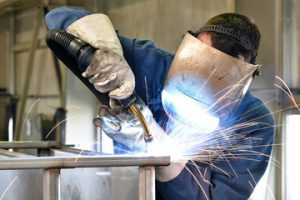
metal fabrication

The growing reliance on custom fabrication is closely tied to evolving design expectations. Modern projects often demand originality, efficiency, and durability in equal measure. Standardized components may meet basic needs, but they rarely support innovative design concepts. Custom fabrication shops thrive in this space by offering made-to-order solutions that respond directly to unique challenges. This responsiveness has made them essential partners in industries where precision and performance are non-negotiable.

One of the most powerful aspects of custom fabrication is its collaborative nature. Fabricators often become involved early in the planning phase, offering insights that influence both design and execution. Their understanding of material behavior, structural requirements, and fabrication techniques helps refine ideas before production begins. This collaboration reduces errors, minimizes waste, and ensures that final components align seamlessly with overall project goals. Innovation flourishes when creativity and technical expertise work hand in hand.

Technology has played a major role in expanding the capabilities of custom fabrication shops. Advanced design software allows for detailed modeling and simulation, enabling fabricators to test ideas virtually before cutting any metal. Automated cutting and forming equipment delivers high levels of accuracy while maintaining efficiency. These tools make it possible to produce intricate designs that would have been difficult or impractical in the past. As technology continues to evolve, custom fabrication shops are well positioned to explore new design frontiers.

Despite technological advancements, craftsmanship remains at the heart of custom fabrication. Skilled fabricators bring years of experience to each project, ensuring that every weld, joint, and finish meets exacting standards. This human element adds value that machines alone cannot replicate. Attention to detail, problem-solving ability, and creative interpretation all contribute to outcomes that feel refined and intentional. In this balance between technology and craftsmanship, innovation finds its footing.

Custom fabrication shops also play a vital role in supporting sustainable practices. By producing components tailored to specific needs, they help reduce material waste associated with mass production. Many fabrication processes prioritize efficient material use and recycling, contributing to environmentally responsible outcomes. Additionally, custom-fabricated metal components are designed for durability, reducing the need for frequent replacements and supporting long-term sustainability goals.

To better understand how custom fabrication shops unlock innovation, it is helpful to examine some of the core advantages they offer:

  1. Design Freedom and Customization: Custom fabrication allows projects to move beyond standard dimensions and forms, enabling unique designs that reflect specific functional and aesthetic goals.
  2. Precision and Performance: Advanced tools and skilled craftsmanship ensure that fabricated components meet exact specifications, enhancing reliability and structural integrity.

These advantages highlight why custom fabrication has become a driving force behind modern innovation. By offering solutions that are both flexible and precise, fabrication shops empower designers and builders to push creative boundaries.

Another factor contributing to the value of custom fabrication shops is their ability to adapt quickly to change. Projects often evolve as new ideas emerge or constraints shift. Custom fabricators are equipped to respond to these changes, adjusting designs and production methods without sacrificing quality. This adaptability supports innovation by allowing experimentation and refinement throughout the project lifecycle.

Custom fabrication also enhances efficiency across complex projects. When components are designed specifically for their intended applications, installation becomes smoother and more predictable. Precise measurements and tailored designs reduce on-site modifications, saving time and minimizing errors. This efficiency allows project teams to focus on higher-level objectives rather than troubleshooting mismatched components. In this way, custom fabrication contributes not only to innovation but also to overall project success.

The impact of custom fabrication extends across a wide range of applications. Architectural projects benefit from distinctive metal features that define visual identity, while industrial environments rely on fabricated components to optimize performance and safety. Even in smaller-scale projects, custom fabrication adds value by addressing unique challenges with thoughtful solutions. This versatility underscores the importance of fabrication shops as innovation hubs capable of supporting diverse creative and technical needs.

When evaluating custom fabrication shops, several key considerations can help ensure a productive partnership:

  1. Experience With Similar Projects: Shops that have handled comparable challenges are better equipped to anticipate potential issues and deliver reliable results.
  2. Collaborative Approach: A willingness to engage in open dialogue and offer constructive input supports innovation and strengthens project outcomes.
  3. Quality Control Practices: Consistent inspection and testing processes ensure that fabricated components meet performance and safety standards.

These factors help identify fabrication partners that are not only capable but also invested in the success of innovative projects.

Another aspect that sets custom fabrication shops apart is their role as problem solvers. Every project presents unique constraints, whether related to space, materials, or performance requirements. Fabricators apply technical knowledge and creative thinking to overcome these challenges, often developing solutions that improve upon the original concept. This problem-solving mindset is a key driver of innovation, turning obstacles into opportunities for refinement and improvement.

As design trends continue to evolve, custom fabrication shops remain agile and forward-thinking. The increasing emphasis on personalization, sustainability, and integrated design has elevated the role of fabricated metal in modern spaces. Fabricators respond by exploring new techniques, finishes, and structural approaches that align with contemporary aesthetics while maintaining durability. This ongoing evolution ensures that custom fabrication remains relevant and influential.

Looking to the future, the role of custom fabrication shops is expected to expand further. Advances in digital tools, automation, and material science will continue to open new possibilities for innovation. As projects become more complex and design expectations rise, the need for tailored fabrication solutions will only grow. Custom fabrication shops are uniquely positioned to meet these demands, combining adaptability, precision, and creativity.

In conclusion, unlocking innovation through custom fabrication shops is about more than producing metal components; it is about enabling ideas to take shape. By offering customization, collaboration, and technical expertise, these shops empower designers and builders to move beyond limitations and create solutions that stand out. Through the integration of advanced technology and skilled craftsmanship, custom fabrication continues to shape the future of modern design and construction. As industries seek new ways to innovate, custom fabrication shops will remain essential partners, quietly transforming concepts into lasting, impactful realities.
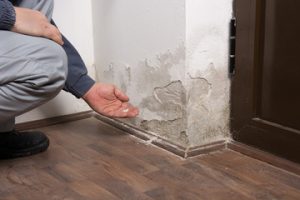
Basement Flooding Solutions: Cleanup, Repair, and Prevention Tips

A flooded basement is one of the most stressful situations a property owner can face. Whether caused by heavy rainfall, foundation cracks, plumbing failures, or poor drainage systems, basement flooding can lead to significant structural damage, mold growth, and costly repairs if not addressed promptly. Because basements sit below ground level, they are naturally vulnerable to water intrusion, making prevention and rapid response essential for long-term protection.

Basement flooding solutions go beyond simply removing standing water. Proper cleanup, structural repair, moisture control, and preventative strategies all work together to protect the integrity of your property. In this comprehensive guide, we’ll explore how to handle basement flooding effectively—from immediate cleanup steps to long-term prevention tips that reduce the risk of future incidents. Call All Pro Services for trusted advice.

water damage

Understanding Why Basements Flood

Before discussing cleanup and repair, it’s important to understand why basements flood in the first place. Water intrusion typically occurs due to external pressure from saturated soil surrounding the foundation. When heavy rainfall or snowmelt accumulates, groundwater levels rise and exert hydrostatic pressure against foundation walls. If cracks or weak points exist, water can seep through and collect inside the basement.

Plumbing leaks, sump pump failures, clogged drains, and improperly graded landscaping can also contribute to basement flooding. In some cases, aging waterproofing materials or deteriorated seals around windows allow moisture to enter gradually, eventually leading to noticeable water damage.

Identifying the root cause of flooding is critical. Without addressing the underlying issue, cleanup efforts may only provide temporary relief.

Immediate Steps After Basement Flooding

When basement flooding occurs, time is critical. The longer water remains standing, the more damage it causes to flooring, walls, insulation, and stored belongings. Acting quickly reduces the risk of mold growth and structural deterioration.

Here are the first essential steps to take:

  1. Ensure Safety First
    Before entering a flooded basement, confirm that electrical systems are not compromised. Water and electricity are a dangerous combination. If necessary, shut off power to the affected area before proceeding.
  2. Stop the Water Source
    If flooding is caused by a plumbing issue or appliance failure, shut off the main water supply immediately. For external flooding, temporary measures such as redirecting runoff may help reduce further intrusion.
  3. Document the Damage
    Taking photos and videos can be helpful for insurance claims and restoration planning.
  4. Begin Water Removal
    Removing standing water quickly is essential to limit further damage.

Prompt action lays the foundation for a successful cleanup and restoration process.

Basement Flood Cleanup Process

Effective basement flood cleanup involves more than mopping up water. Professional-grade equipment and systematic drying techniques are often required to eliminate moisture completely.

Water Extraction

High-powered pumps and wet vacuums are used to remove standing water from floors and low-lying areas. This step significantly reduces the amount of moisture that can soak into structural materials.

Drying and Dehumidification

After visible water is removed, moisture remains trapped within porous materials like drywall, wood framing, and concrete. Industrial air movers and dehumidifiers accelerate evaporation and help stabilize humidity levels. Thorough drying may take several days, depending on the severity of flooding.

Cleaning and Sanitizing

Floodwater often carries bacteria, debris, and contaminants. Cleaning and sanitizing affected surfaces prevent health hazards and prepare the area for repairs. Carpets, insulation, and drywall that have absorbed contaminated water may need to be removed and replaced.

Complete drying and sanitization are critical to preventing mold growth and long-term structural issues.

Common Basement Flood Repairs

Once cleanup is complete, attention turns to repairing the damage. The type and extent of repairs depend on how long water was present and the materials affected.

Some common basement flood repairs include:

  1. Replacing Damaged Drywall and Insulation
    Saturated drywall and insulation often lose structural integrity and must be removed to prevent mold development.
  2. Repairing Flooring
    Water-damaged flooring, especially laminate or carpet, may need replacement. Concrete floors may require sealing after drying.
  3. Sealing Foundation Cracks
    Cracks in foundation walls or floors must be professionally sealed to prevent recurring water intrusion.
  4. Electrical System Inspections
    Any electrical components exposed to water should be inspected and repaired to ensure safety and code compliance.

Addressing these repairs thoroughly ensures the basement is safe, stable, and ready for use again.

Mold Prevention After Basement Flooding

One of the most serious risks associated with basement flooding is mold growth. Mold thrives in damp, dark environments—conditions often found in basements. If moisture is not eliminated within 24 to 48 hours, mold spores can begin to spread.

To reduce mold risk:

  • Ensure complete drying of all surfaces and structural materials.
  • Remove porous materials that cannot be fully sanitized.
  • Maintain proper ventilation and humidity control after restoration.

Monitoring humidity levels with a hygrometer and using a dehumidifier can help maintain a dry environment long after the cleanup process is complete.

Long-Term Basement Flood Prevention Strategies

While cleanup and repairs are essential, preventing future basement flooding should be a top priority. Proactive measures reduce the likelihood of repeated water damage and costly restoration projects.

Here are effective basement flood prevention tips:

  1. Improve Exterior Drainage
    Ensure gutters and downspouts are clean and direct water away from the foundation. Extending downspouts several feet from the building can significantly reduce hydrostatic pressure.
  2. Maintain Proper Grading
    The ground around your property should slope away from the foundation to prevent water pooling.
  3. Install or Maintain a Sump Pump
    A sump pump removes excess groundwater before it accumulates inside the basement. Regular testing and maintenance ensure reliable performance.
  4. Apply Waterproofing Solutions
    Exterior waterproof membranes and interior sealants provide additional protection against moisture infiltration.
  5. Seal Foundation Cracks Promptly
    Even small cracks can widen over time and allow water entry during heavy rainfall.
  6. Install Backwater Valves
    These devices prevent sewer backups during periods of heavy rain or drainage system overload.

By combining these preventative measures, property owners create multiple layers of defense against future flooding.

The Role of Routine Maintenance

Routine inspections and maintenance are essential for long-term basement flood prevention. Checking gutters, sump pumps, foundation walls, and drainage systems periodically helps identify potential problems before they escalate.

Seasonal inspections are especially important before the rainy season. Early detection of minor issues—such as small cracks or clogged drains—allows for timely repairs that prevent large-scale water damage.

Maintenance may seem minor compared to restoration, but it plays a critical role in protecting property value and structural stability.

When to Call Professional Basement Flood Restoration Services

While minor water intrusion may be manageable with basic tools, significant basement flooding often requires professional expertise. Restoration specialists use advanced moisture detection equipment, industrial drying systems, and proven repair techniques to ensure complete recovery.

Professional services are especially important when:

  • Water depth exceeds several inches.
  • Floodwater contains contaminants.
  • Structural materials are saturated.
  • Mold growth is suspected.

Experienced restoration teams provide comprehensive solutions that address both visible damage and hidden moisture, reducing the risk of recurring issues.

Protecting Your Investment

A basement often serves as a storage space, a living area, or a utility hub for a property. Flood damage not only disrupts daily life but can also decrease property value if not properly addressed. Investing in professional cleanup, quality repairs, and preventive measures safeguards your long-term financial investment.

Properties with a history of unresolved water issues may face complications during inspections or resale. By proactively addressing flooding concerns and implementing preventative strategies, property owners demonstrate responsible maintenance and structural integrity.

A Comprehensive Approach to Basement Flooding Solutions

Basement flooding can be overwhelming, but a strategic approach to cleanup, repair, and prevention makes recovery manageable. Acting quickly to remove water, dry affected materials, and sanitize surfaces minimizes damage and reduces mold risk. Thorough repairs restore structural integrity and ensure long-term safety.

Prevention, however, remains the most effective strategy. By improving drainage, sealing foundation cracks, maintaining sump pumps, and conducting routine inspections, property owners can significantly reduce the likelihood of future flooding.

Basement flooding solutions require a combination of immediate action and long-term planning. With the right approach, it’s possible not only to recover from water damage but also to strengthen your property against future water intrusion—protecting both your investment and your peace of mind for years to come.

Navigation