Utah Fire Damage Restoration companies supply detailed assessments and scopes of work that insurance providers rely on. They also help you negotiate with insurers and act as your advocate to maximize claims payouts.
Mitigation expenses often pay for themselves through avoided secondary damage. Restoration costs rise quickly once rebuilding and structural repairs begin.
Fast Response
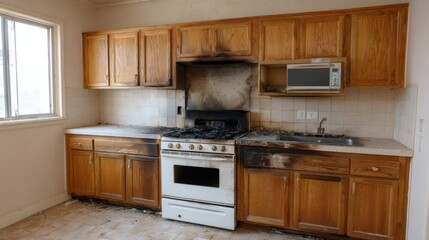
Whether you choose to handle fire restoration work yourself or hire a professional remediation company, the timeline for getting your property back to normal is crucial. A quality remediation company prioritizes rapid response, keeping you informed every step of the way and providing expert guidance. They’ll also work to limit secondary damage and provide the necessary repairs quickly, ensuring that your property is safe to return to as soon as possible.
It’s important to understand that fire restoration costs are based on a variety of factors, so the exact price depends on your specific situation. However, general pricing ranges start at around $8 per square foot for smoke cleanup, odor removal, water damage from firefighting, and contents handling. This can be more than enough to cover basic cleanup, but may not include the cost of reconstruction or structural repairs.
The first step in fire restoration is mitigation, which includes board ups and tarping. These services protect the site from further damage, weather, and unauthorized access while allowing you to get your insurance claims moving. Mitigation expenses typically pay for themselves by preventing more expensive repair and restoration costs down the road.
Once fire officials declare the property safe, technicians complete a thorough inspection and damage assessment. They document damage with photos and moisture readings, which helps the insurance adjuster process your claim more quickly and accurately. They’ll also use advanced cleaning methods to restore a wide variety of items, from clothing and electronics to documents and furniture.
Visible damage may be easy to spot, but hidden smoke, water, and structural damage can quietly erode your safety, health, and property value if not addressed promptly. Professional fire damage restoration companies offer industry-standard cleaning, water extraction, and drying processes that prevent long-term issues and save you from costly replacements down the road.
Working with a fire restoration company also ensures that all repairs and cleaning are done properly. Untrained workers can cause additional harm to your property, resulting in increased restoration and repair costs. Additionally, they may not follow proper safety protocols, leading to dangerous situations such as unsafe re-entry and toxic mold growth.
Minimize Secondary Damage
A fire can wreak havoc on your property. Not only does it destroy your possessions, but it can also leave dangerous residues behind that threaten human health. These hazardous materials may contain toxic dioxins, polycyclic aromatic hydrocarbons (PAHs), heavy metals, and asbestos from older building material. The contaminants can lead to respiratory issues and increase long-term health risks. Professional restoration services use specialized cleaning agents to remove these residues and restore indoor air quality.
Fire damage remediation is a complex process that involves repairing what flames have destroyed, removing soot, restoring smoke-damaged surfaces, drying out water from firefighting, and identifying and neutralizing harmful chemical residues. If done correctly, the restoration process can make your home or commercial space feel like it never even suffered through a fire.
Besides restoring livability and structure, restoration companies offer other important services that protect your health and property value. For example, they can identify hidden water damage that can contribute to mold growth and structural instability. They can also conduct air quality testing to detect and mitigate contaminant levels in your property.
In addition to removing soot and other contaminants, fire damage restoration professionals can sanitize and deodorize your property. This process uses special disinfectants to kill bacteria and other harmful microorganisms that can pose a threat to human health. It can also help reduce lingering odors, making your space more livable and pleasant to be in again.
When it comes to your personal belongings, fire damage restoration experts can often salvage items that seem beyond repair. These professionals use specialized cleaning techniques to restore them to their original condition, including clothes, furniture, electronics, and documents. This saves you from having to replace your valuables and can help ease the trauma of losing irreplaceable memories and mementos.
The cost of hiring a fire restoration company can seem high, but the upfront costs are worth the benefits in the long run. Not only do these specialists have the equipment, efficiencies, and expertise to restore your property right the first time, but they can also document your losses, interpret your insurance policy, and lead negotiations so that you don’t get shortchanged. Working with a public adjuster also ensures your insurance claim is handled fairly and that you receive maximum reimbursement for your restoration expenses.
Save Money in the Long Run
When dealing with fire damage restoration, there are many hidden costs homeowners should be aware of. These include temporary relocation expenses, lost items that aren’t covered by insurance, and long-term property devaluation. By working with experienced restoration professionals, homeowners can minimize these hidden costs and save money in the long run.
The timeline for restoration is also important to consider. A delay can significantly increase costs. For example, acidic soot residue can begin corroding within hours and spread throughout the structure. This can cause permanent staining, odors, and structural damage that may require costly repairs.
A good fire restoration service will be able to evaluate the extent of the damage and recommend the right solution. They’ll also be able to provide detailed assessments and scopes of work that insurance companies can rely on. This can help ensure that the insurance company covers the full cost of repair and restoration.
Fire restoration services can also help save money in the long run by preventing long-term damage to the home’s value. This is especially true in urban areas where high baseline property values and strong demand create a buffer against severe devaluation. On the other hand, rural properties that are damaged by fire often have lower value than similar properties in surrounding areas.
In addition to helping homeowners avoid long-term damage, fire damage restoration services can also reduce the cost of replacing items that can’t be salvaged. For example, furniture and electronics that are only damaged by smoke or water can usually be restored with professional cleaning. However, items that are burned, charred, or melted must be replaced. This can be expensive, but it’s an essential step in restoring the home to its pre-fire condition.
Fire damage restoration can be a lengthy process, and there are many hidden costs associated with it. By understanding these costs and working with a reputable fire restoration company, homeowners can save money in the long run and restore their homes faster. In the end, the investment in fire restoration is well worth it for homeowners who want to reclaim their homes and return them to their pre-loss condition.
Restore a Sense of Normalcy
When your home is destroyed by fire, it’s more than just a structure—it’s also a place of memories and routine. It represents a sense of identity, and many homeowners find it difficult to return to normal life after such a tragedy. But professional restoration services don’t just repair walls and roofs, they also provide a pathway to emotional recovery.
Fire damage is often more complicated than people realize, and do-it-yourself fixes can be more expensive than they appear at first glance. For instance, smoke residue sticks to surfaces and causes permanent staining and odors. It can also corrode metal, melt plastics, and cause short circuits in electrical wiring. These hidden problems can make your home unsafe and unlivable if not addressed quickly. Restoration professionals are trained to identify hidden issues, and they have the equipment necessary to restore your property safely and thoroughly.
In addition, fire restoration services can help you navigate the insurance claims process and negotiate a fair settlement. This is especially important if your property was damaged by a class B or class D fire, which are more expensive to restore because they involve combustible liquids and toxic chemicals.
Whether you’re planning to stay or sell, restoring your home after fire damage can increase its value and appeal. However, it’s important to remember that buyers and insurers will discount a property with a history of fire damage, so you need to work with an experienced restoration company. Professionals can ensure that your property is restored to pre-loss condition and provide documentation of this to support your claim.
In the end, fire restoration services can’t replace your personal belongings or your family memories, but they can restore a sense of security and normalcy after a devastating event. By addressing the visible and hidden damage caused by fire, they can give you back your home and help you move forward with your life. By choosing a professional restoration company, you’ll save money, minimize secondary damage, and create a safer and more livable space for your family to enjoy. Interested in learning more?