A flooded basement is one of the most stressful situations a property owner can face. Whether caused by heavy rainfall, foundation cracks, plumbing failures, or poor drainage systems, basement flooding can lead to significant structural damage, mold growth, and costly repairs if not addressed promptly. Because basements sit below ground level, they are naturally vulnerable to water intrusion, making prevention and rapid response essential for long-term protection.
Basement flooding solutions go beyond simply removing standing water. Proper cleanup, structural repair, moisture control, and preventative strategies all work together to protect the integrity of your property. In this comprehensive guide, we’ll explore how to handle basement flooding effectively—from immediate cleanup steps to long-term prevention tips that reduce the risk of future incidents. Call All Pro Services for trusted advice.
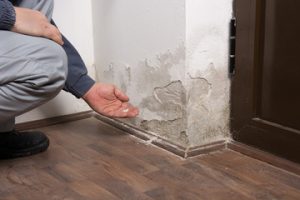
Understanding Why Basements Flood
Before discussing cleanup and repair, it’s important to understand why basements flood in the first place. Water intrusion typically occurs due to external pressure from saturated soil surrounding the foundation. When heavy rainfall or snowmelt accumulates, groundwater levels rise and exert hydrostatic pressure against foundation walls. If cracks or weak points exist, water can seep through and collect inside the basement.
Plumbing leaks, sump pump failures, clogged drains, and improperly graded landscaping can also contribute to basement flooding. In some cases, aging waterproofing materials or deteriorated seals around windows allow moisture to enter gradually, eventually leading to noticeable water damage.
Identifying the root cause of flooding is critical. Without addressing the underlying issue, cleanup efforts may only provide temporary relief.
Immediate Steps After Basement Flooding
When basement flooding occurs, time is critical. The longer water remains standing, the more damage it causes to flooring, walls, insulation, and stored belongings. Acting quickly reduces the risk of mold growth and structural deterioration.
Here are the first essential steps to take:
- Ensure Safety First
Before entering a flooded basement, confirm that electrical systems are not compromised. Water and electricity are a dangerous combination. If necessary, shut off power to the affected area before proceeding. - Stop the Water Source
If flooding is caused by a plumbing issue or appliance failure, shut off the main water supply immediately. For external flooding, temporary measures such as redirecting runoff may help reduce further intrusion. - Document the Damage
Taking photos and videos can be helpful for insurance claims and restoration planning. - Begin Water Removal
Removing standing water quickly is essential to limit further damage.
Prompt action lays the foundation for a successful cleanup and restoration process.
Basement Flood Cleanup Process
Effective basement flood cleanup involves more than mopping up water. Professional-grade equipment and systematic drying techniques are often required to eliminate moisture completely.
Water Extraction
High-powered pumps and wet vacuums are used to remove standing water from floors and low-lying areas. This step significantly reduces the amount of moisture that can soak into structural materials.
Drying and Dehumidification
After visible water is removed, moisture remains trapped within porous materials like drywall, wood framing, and concrete. Industrial air movers and dehumidifiers accelerate evaporation and help stabilize humidity levels. Thorough drying may take several days, depending on the severity of flooding.
Cleaning and Sanitizing
Floodwater often carries bacteria, debris, and contaminants. Cleaning and sanitizing affected surfaces prevent health hazards and prepare the area for repairs. Carpets, insulation, and drywall that have absorbed contaminated water may need to be removed and replaced.
Complete drying and sanitization are critical to preventing mold growth and long-term structural issues.
Common Basement Flood Repairs
Once cleanup is complete, attention turns to repairing the damage. The type and extent of repairs depend on how long water was present and the materials affected.
Some common basement flood repairs include:
- Replacing Damaged Drywall and Insulation
Saturated drywall and insulation often lose structural integrity and must be removed to prevent mold development. - Repairing Flooring
Water-damaged flooring, especially laminate or carpet, may need replacement. Concrete floors may require sealing after drying. - Sealing Foundation Cracks
Cracks in foundation walls or floors must be professionally sealed to prevent recurring water intrusion. - Electrical System Inspections
Any electrical components exposed to water should be inspected and repaired to ensure safety and code compliance.
Addressing these repairs thoroughly ensures the basement is safe, stable, and ready for use again.
Mold Prevention After Basement Flooding
One of the most serious risks associated with basement flooding is mold growth. Mold thrives in damp, dark environments—conditions often found in basements. If moisture is not eliminated within 24 to 48 hours, mold spores can begin to spread.
To reduce mold risk:
- Ensure complete drying of all surfaces and structural materials.
- Remove porous materials that cannot be fully sanitized.
- Maintain proper ventilation and humidity control after restoration.
Monitoring humidity levels with a hygrometer and using a dehumidifier can help maintain a dry environment long after the cleanup process is complete.
Long-Term Basement Flood Prevention Strategies
While cleanup and repairs are essential, preventing future basement flooding should be a top priority. Proactive measures reduce the likelihood of repeated water damage and costly restoration projects.
Here are effective basement flood prevention tips:
- Improve Exterior Drainage
Ensure gutters and downspouts are clean and direct water away from the foundation. Extending downspouts several feet from the building can significantly reduce hydrostatic pressure. - Maintain Proper Grading
The ground around your property should slope away from the foundation to prevent water pooling. - Install or Maintain a Sump Pump
A sump pump removes excess groundwater before it accumulates inside the basement. Regular testing and maintenance ensure reliable performance. - Apply Waterproofing Solutions
Exterior waterproof membranes and interior sealants provide additional protection against moisture infiltration. - Seal Foundation Cracks Promptly
Even small cracks can widen over time and allow water entry during heavy rainfall. - Install Backwater Valves
These devices prevent sewer backups during periods of heavy rain or drainage system overload.
By combining these preventative measures, property owners create multiple layers of defense against future flooding.
The Role of Routine Maintenance
Routine inspections and maintenance are essential for long-term basement flood prevention. Checking gutters, sump pumps, foundation walls, and drainage systems periodically helps identify potential problems before they escalate.
Seasonal inspections are especially important before the rainy season. Early detection of minor issues—such as small cracks or clogged drains—allows for timely repairs that prevent large-scale water damage.
Maintenance may seem minor compared to restoration, but it plays a critical role in protecting property value and structural stability.
When to Call Professional Basement Flood Restoration Services
While minor water intrusion may be manageable with basic tools, significant basement flooding often requires professional expertise. Restoration specialists use advanced moisture detection equipment, industrial drying systems, and proven repair techniques to ensure complete recovery.
Professional services are especially important when:
- Water depth exceeds several inches.
- Floodwater contains contaminants.
- Structural materials are saturated.
- Mold growth is suspected.
Experienced restoration teams provide comprehensive solutions that address both visible damage and hidden moisture, reducing the risk of recurring issues.
Protecting Your Investment
A basement often serves as a storage space, a living area, or a utility hub for a property. Flood damage not only disrupts daily life but can also decrease property value if not properly addressed. Investing in professional cleanup, quality repairs, and preventive measures safeguards your long-term financial investment.
Properties with a history of unresolved water issues may face complications during inspections or resale. By proactively addressing flooding concerns and implementing preventative strategies, property owners demonstrate responsible maintenance and structural integrity.
A Comprehensive Approach to Basement Flooding Solutions
Basement flooding can be overwhelming, but a strategic approach to cleanup, repair, and prevention makes recovery manageable. Acting quickly to remove water, dry affected materials, and sanitize surfaces minimizes damage and reduces mold risk. Thorough repairs restore structural integrity and ensure long-term safety.
Prevention, however, remains the most effective strategy. By improving drainage, sealing foundation cracks, maintaining sump pumps, and conducting routine inspections, property owners can significantly reduce the likelihood of future flooding.
Basement flooding solutions require a combination of immediate action and long-term planning. With the right approach, it’s possible not only to recover from water damage but also to strengthen your property against future water intrusion—protecting both your investment and your peace of mind for years to come.